
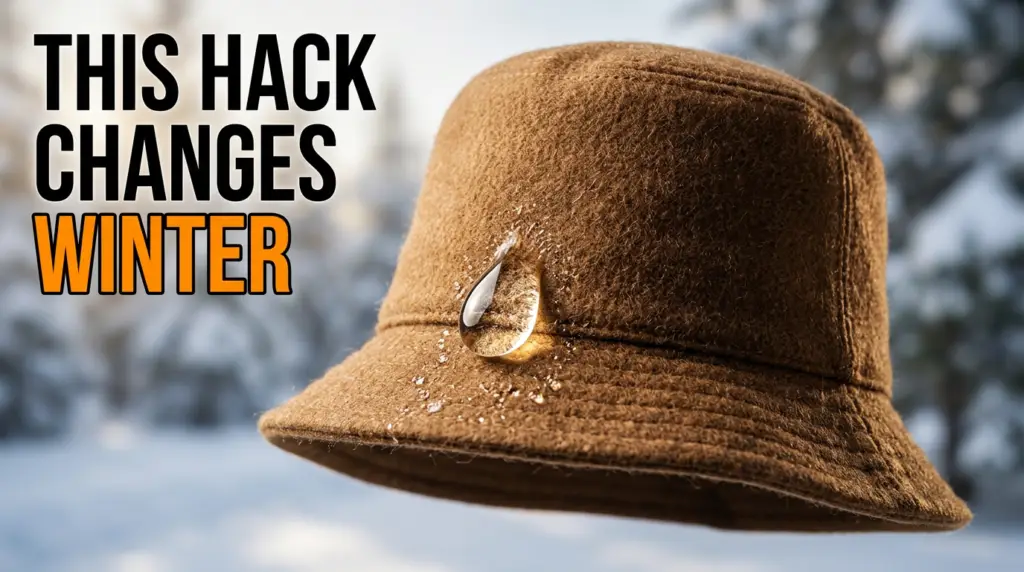
Why the Wool Bucket Hat Is the Smartest Winter Accessory You’re Not Wearing Yet
Most of us see this as just a simple hat. Soft, unassuming, with a brim that flops down. But the story behind the wool bucket hat is a fascinating look at design, culture, and science — and it’s a lot more interesting than it looks.
At first glance, there’s nothing mysterious about the bucket hat. It’s a soft hat with a rounded crown and a downward-sloping brim — a shape so simple it feels universal. But the wool version is a perfect example of how an everyday object can sit at the crossroads of style, climate, and identity.
For decades, bucket hats were purely functional. A lightweight shield from sun and rain. But when you change the material, you change everything. And that’s exactly where this story gets interesting.
The Humble Beginning: Irish Fields and Fishermen’s Gear
The bucket hat’s story begins not on a runway, but in the damp, windswept fields and coastal waters of Ireland in the early 1900s. Originally known as an “Irish walking hat” or “fisherman’s hat,” it was essential gear for farmers and fishermen alike. Its genius, as a result, was born entirely from necessity.
The first versions were made from lanolin-rich wool, either in tweed or felted form. This wasn’t about looks. The natural lanolin in wool made these hats incredibly water-resistant — a critical feature for anyone working long hours in Ireland’s famously rainy climate.
The design itself was pure function. The wide, downward-sloping brim channeled rain away from the face. Its soft construction also meant it could be folded and stuffed into a pocket without losing its shape. It was common, practical headwear for rural workers — durable, unadorned, and built to last.
For the first half of the 20th century, that’s what it remained. Its practicality eventually saw it adopted by the British upper classes for country sports. Then, a crucial shift happened during military use. The U.S. Army developed a version for tropical climates, most famously known as the “boonie hat” during the Vietnam War. As a result, the lightweight cotton version of the 1960s and ’70s cemented a new identity. The hat was now separated from its woolly, wet-weather origins. It had become a sun hat.
By the 1960s, this lighter version entered civilian life as a casual accessory. It became a staple for beachgoers and sportsmen. The bucket hat had successfully transitioned from Irish fields to the global stage — but in the process, it became almost exclusively a summer item made of cotton or canvas.
The Material Leap: How Wool Changed Everything
For decades, the bucket hat had two main identities in fashion memory: the historical, heavy tweed version and the modern, lightweight cotton one. The idea of a bucket hat for cold weather simply wasn’t a mainstream thought.
That is, until designers started looking back at its origins — not just for history, but specifically for the material itself.
The idea is simple, but genuinely transformative: reintroducing wool changes the bucket hat from a sun accessory into a legitimate piece of winter wear. Modern wools — soft felt, boiled wool, or angora blends — are a world away from the scratchy tweeds of the early 1900s. But they still carry wool’s incredible natural properties.
Wool is a fantastic insulator. Its natural crimped fibres trap air and create a thermal barrier to keep you warm. It’s also breathable and moisture-wicking, keeping you dry and comfortable even on damp days. According to Vogue’s guide to cold-weather dressing, natural fibres like wool are consistently among the most practical and stylish choices for winter accessories — and there’s solid science behind that.
But the real genius is how this material completely changes the mood of the hat. A cotton bucket hat feels casual and sporty. A wool bucket hat, on the other hand, speaks a different language entirely. It’s textured, cozy, and feels significantly more polished. It’s the exact same silhouette — but the material changes the message.
That simple, recognisable shape is, therefore, the key to its adaptability. The soft crown and modest brim are essentially a blank canvas. When wool enters the picture, the hat becomes less about pure function and more about a sophisticated aesthetic. You get a relaxed, casual shape made in a rich, substantial material. It’s an everyday object, but elevated.
The cleverness wasn’t in creating a new shape. It was in realising the old shape could be completely transformed just by changing the fibre it was made from.
From Street Corner to Runway: The Cultural Journey
The bucket hat’s journey to winter icon status had to pass through the filter of culture first.
In the 1980s, it was famously adopted by the growing hip-hop scene. Artists like LL Cool J turned it into a symbol of street credibility and identity. The brand most associated with this era, Kangol, became a household name. Interestingly, the name “Kangol” is said to be a combination of ‘K’ for knitting, ‘ANG’ for angora, and ‘OL’ for wool — a quiet nod to its material heritage that most people never notice.
That cultural cachet cemented the bucket hat’s silhouette as a permanent fixture in fashion.
Then came the late 2010s — and the true turning point for its modern revival. As high fashion began drawing serious inspiration from streetwear, luxury brands like Prada put bucket hats on the runway. Prada, in particular, created a phenomenon with its nylon bucket hat, turning a simple accessory into a must-have status symbol. This high-fashion endorsement gave the humble bucket hat a new kind of permission.
Suddenly, it wasn’t just a nostalgic throwback. It was a legitimate fashion accessory. And this is precisely when designers and stylists began experimenting more seriously with materials. While wool bucket hats had been around for ages in country and outdoor wear, the high-fashion spotlight created a brand-new context for them.
The next logical step, of course, was wool.
Why the Wool Bucket Hat Works So Well in Winter
A wool bucket hat can move between different style worlds in a way other winter hats simply can’t.
A beanie can feel purely functional. A formal felt fedora can feel too costumey for everyday wear. The wool bucket hat, however, sits in a perfect middle ground. It can soften the sharp lines of a tailored coat or add a touch of polish to a simple hoodie and jeans. It adds texture that elevates an outfit without demanding all the attention.
As Harper’s Bazaar notes on winter accessory styling, the best cold-weather accessories are the ones that work across multiple outfit formulas — and the wool bucket hat is exactly that kind of versatile piece.
Wool also gives that flexibility a different tone. It adds visual weight and depth. The way it catches the light makes the hat look more substantial — and in fashion, texture is often read as quality. That’s a significant part of why a simple wool bucket hat can feel more premium and considered, even when the design is minimal. It suggests taste through material and shape alone. A quiet confidence that has become a signature of modern style.
A Hat That Has Genuinely Earned Its Place
So, we come back to this simple object. A hat that started as a waterproof shield for Irish fishermen. That became a sun-blocking summer staple. That was then adopted as a symbol of cultural identity. And finally, was rediscovered as a chic winter accessory.
The story of the wool bucket hat is a powerful reminder that fashion doesn’t always move forward by inventing something radically new. Sometimes, the most powerful innovation comes from looking back — from understanding a material’s inherent properties, and from seeing how changing one simple element can change everything.
Wool transformed the bucket hat from a functional item into an expressive one. It gave an old, familiar shape a new purpose and a new feeling. The hat’s journey proves that practicality, versatility, and quiet confidence are a genuinely powerful combination.
It’s a design that is adaptable and just distinct enough to feel current — without ever looking like it’s trying too hard. It has earned its place not as a fleeting trend, but as a surprisingly reliable tool in the modern style toolbox.
FAQ Section
Q1: What is a wool bucket hat?
A: A wool bucket hat is a soft, round-crowned hat with a downward-sloping brim, made from wool or wool-blend fabrics like felt, boiled wool, or angora. Unlike cotton versions, the wool construction makes it warm, textured, and suited for autumn and winter wear.
Q2: Is a wool bucket hat good for winter?
A: Yes, absolutely. Wool is a natural insulator that traps warm air and wicks moisture, making a wool bucket hat a genuinely practical choice for cold and damp weather. Its brim also provides added protection from wind and light rain.
Q3: How do you style a wool bucket hat in winter?
A: A wool bucket hat pairs well with tailored coats, oversized knitwear, puffer jackets, and casual hoodies. Because of its textured, relaxed shape, it works across both smart-casual and streetwear outfits without looking out of place.
Q4: What’s the difference between a wool bucket hat and a cotton bucket hat?
A: The main difference is in feel, warmth, and aesthetic. A cotton bucket hat is lightweight, sporty, and best suited for summer. A wool bucket hat is warmer, more textured, and carries a more polished, considered look — making it far more versatile in colder seasons.
Q5: Are wool bucket hats still in style in 2025/2026?
A: Yes. The wool bucket hat has moved well beyond trend status. It now sits as a reliable seasonal accessory, regularly appearing in street style, luxury fashion editorials, and everyday winter wardrobes.
Q6: What brands make good wool bucket hats?
A: Brands like Kangol, Stetson, Acne Studios, and various high street labels produce quality wool bucket hats across different price points. Kangol, in particular, has a deep heritage connection to this style going back to the 1980s.
Q7: Can women wear wool bucket hats?
A: Completely. The wool bucket hat is a unisex accessory that works for all genders. It has been widely embraced in women’s fashion, particularly styled with long coats, layered outfits, and minimalist winter looks.