The Most Popular Scents Brands Use to Secretly Influence You
You walk into a store and feel good. Relaxed. You stay longer, browse more, and spend more than you planned. That feeling was not an accident — it was engineered.
The tool behind it all is scent. It is invisible, powerful, and incredibly effective.
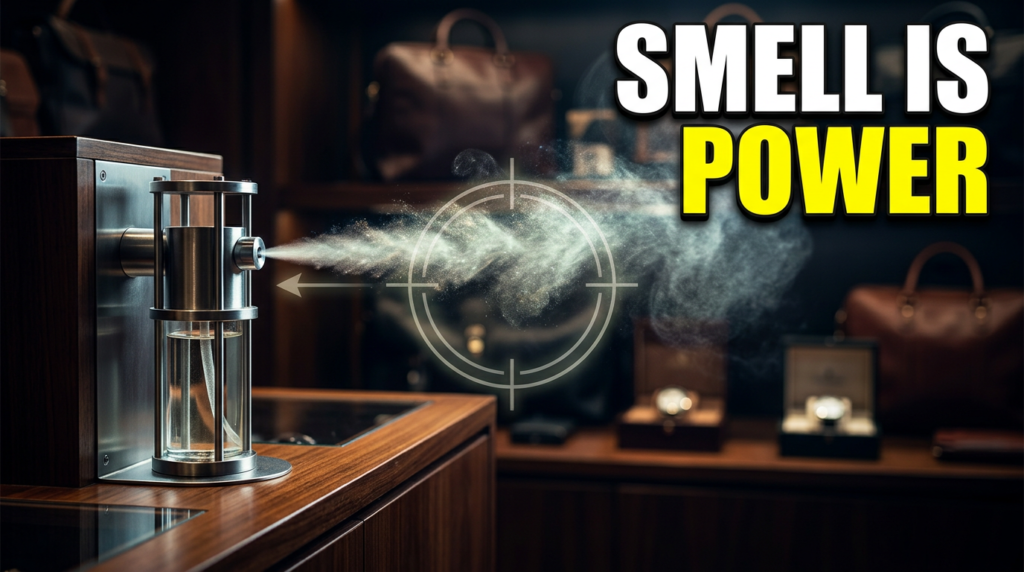
This is part of a multi-billion dollar industry called scent marketing. Businesses use it to influence your emotions before you even realize what is happening. Both high-end hotels and local supermarkets rely on this strategy every single day.
The most popular scents are not chosen randomly. In fact, brands choose them with great precision. Today, we pull back the curtain on how scent marketing works, why it works, and how you can spot it.
How the Most Popular Scents Create Comfort and Trust
First, let us look at the most common tactic: using scent to create comfort. When a space smells pleasant, your brain quickly tags it as safe and welcoming. As a result, you relax, your guard drops, and you stay longer.
Think about your local supermarket. Have you noticed the smell of fresh bread, even when the bakery is far away? That is no coincidence. Brands use it to make you feel at home. So, you linger in the aisles and fill your cart.
What Clothing Stores Use
Clothing stores often choose light, clean scents. Fresh linen and soft florals are especially popular. These scents make a store feel upscale and fresh. Because of this, customers become more willing to browse and explore.
Why Hotels Invest in Signature Scents
Luxury hotels take this even further. For example, the Westin uses its famous “White Tea” scent in every lobby. This calming blend tells your brain to unwind the moment you arrive. Moreover, it creates a positive first impression that guests remember long after checkout.
Lavender is also a favorite in spas and wellness spaces. It works because it naturally lowers stress levels. By making guests feel comfortable, these brands encourage longer stays and bigger spending.
The goal is simple: make you feel so good that you stay longer and spend more — without you ever questioning why.
The Memory Trigger: Why Certain Scents Feel So Personal
The second tactic is even more powerful. Brands use scent to trigger your personal memories. Our sense of smell has a direct pathway to the limbic system. This is the part of the brain that controls emotions and long-term memory.
Because of this direct link, a single smell can instantly take you back in time. Scientists call this the “Proustian Effect.” It is fast, emotional, and almost impossible to resist.
How Travel Brands Use This Tactic
For instance, a travel agency might pipe in the scent of coconut and sea salt. Suddenly, you are not just looking at a holiday brochure. Instead, you are imagining yourself on a tropical beach. So, booking becomes an emotional decision rather than a practical one.
Baby Powder, Vanilla, and Nostalgia
Similarly, a baby clothing store might use a soft baby powder scent. For most people, this smell connects directly to feelings of love and warmth. Vanilla works in the same way. It reminds people of home and triggers a deep sense of nostalgia.
As Vogue has reported in its coverage of sensory branding, scent-driven memory associations are among the most effective tools in luxury marketing today. Research also shows that smell-based memories are often stronger than memories from any other sense.
“Brands are not just selling a product. They are selling a feeling — and scent is the shortcut.”
When a scent triggers a positive emotion, you transfer that good feeling to the brand. Therefore, you become far more likely to buy.
The Illusion of Luxury: How Scent Builds a Premium Feel
The third major tactic is using scent to suggest luxury and exclusivity. Specifically, brands use it to make you feel that their products are higher quality. As a result, you become willing to pay a higher price.
Luxury brands create what they call “signature scents.” These are not generic pleasant smells. Instead, they are custom-designed fragrances that become part of the brand’s identity — just like a logo or a colour palette.
Famous Brand Examples
Abercrombie & Fitch was one of the first to do this. The brand pumped its musky “Fierce” cologne through every store. You could smell an Abercrombie store before you even saw it. Similarly, the St. Regis hotel uses a scent that evokes glamour and prestige. The Ritz-Carlton builds its atmosphere around notes of leather, rare wood, and exotic florals.
These choices are deliberate. A cedar and leather scent in a car showroom makes the cars feel more premium. Sandalwood and rose in a boutique make the clothing feel more valuable.
By creating a bespoke scent, brands make the shopping experience feel special and exclusive. You are not just in any store. You are in their world. Consequently, you become more willing to accept a higher price tag.
The Science Behind Why Scent Works on Your Brain
So why does all of this actually work? The answer lies in how your brain is wired.
Of all five senses, smell is the most direct. When you see or hear something, that information first passes through the thalamus. This brain region acts like a relay station, processing information before sending it forward. However, smell skips this step entirely.
The Direct Route to Your Emotions
When you inhale odor molecules, they travel straight to the olfactory bulb. This is directly connected to the limbic system. Because of this direct connection, smells trigger emotional responses before your conscious mind even registers what is happening.
In other words, a scent gets a priority pass to the emotional centre of your brain. No filter. No delay.
Why This Matters for Consumers
This explains why a certain perfume can instantly remind you of a loved one. It also explains why the smell of rain brings back strong childhood memories. Your brain has hardwired those scents to specific emotional moments.
As Byrdie explains in its guide to fragrance psychology, knowing your scent triggers is the first step to understanding how brands use them. Marketers know that appealing to emotions is more effective than appealing to logic. So, they target your sense of smell to shape your decisions quietly and powerfully.
You Are Being Influenced — But Now You Know
From hotel lobbies to clothing stores, scent quietly guides your consumer choices. It creates comfort, stirs memories, and builds the illusion of luxury. Moreover, it does all of this before your rational mind can catch up.
However, awareness is your greatest defence. Now that you know how it works, you can notice it. You can appreciate a pleasant atmosphere without falling for the psychological nudge behind it.
The next time you walk into a space and notice a beautiful smell, pause for a moment. Ask yourself: what is this trying to make me feel?
The power of scent marketing comes from its secrecy. And for you, that secret is now out.
Most Popular Scents — Your Questions Answered
What are the most popular scents used in retail stores?
The most popular scents in retail include fresh linen, soft florals, vanilla, sandalwood, cedar, and light citrus. Brands choose these scents to create a welcoming atmosphere. As a result, customers stay longer and browse more comfortably.
Why do certain smells trigger such strong memories?
Smell is the only sense with a direct link to the brain’s limbic system. This area handles emotion and long-term memory. Because of this direct connection, a single scent can bring back a vivid memory more powerfully than a photo or a song.
What is scent marketing?
Scent marketing is the strategic use of fragrance to influence customer behavior. Retailers, hotels, and airlines all use it. The goal is to shape emotions and purchasing decisions through carefully chosen smells.
Do luxury hotels really use custom signature scents?
Yes, many luxury hotel brands invest heavily in custom scents. For example, the Westin uses its “White Tea” blend, and the Ritz-Carlton has its own signature fragrance. These scents help guests associate the brand with comfort and elegance from the moment they arrive.
Can scent actually make you spend more money?
Research strongly suggests yes. Studies show that shoppers in scented spaces browse longer and pay higher prices. In fact, one Nike store experiment saw purchase intent rise by over 80% after introducing a signature scent.
Which scents do luxury brands use to feel premium?
Luxury brands typically use complex, layered scents. Notes like leather, cedarwood, sandalwood, rare woods, and exotic florals are especially common. These scents signal quality and sophistication before a customer even touches a product.
How can I avoid being influenced by scent marketing?
Awareness is the most powerful tool. When you notice a distinct scent in a store, pause and name it consciously. This simple act activates your rational thinking. Consequently, you make purchasing decisions based on what you actually want rather than what a scent nudges you to feel.