Hairstyles of 2016: The Year Hair Let Go and Accidentally Started a Movement
For decades, an iconic hairstyle meant effort — complex curls, serious teasing, and a helmet of hairspray. It was glamorous, but it was work. The hairstyles of 2016 flipped that idea completely. Hair got messy. It got real. And in doing so, it became genuinely iconic. That year produced a strange and compelling mix: super sleek lobs and shocking platinum dye jobs sat right alongside choppy, textured cuts with an unmistakable “I didn’t overthink this” energy. Men’s hair was shifting too — cleaner shapes on the sides, but messier, more natural movement on top. What made 2016 fascinating wasn’t any single haircut. It was a fundamental shift in attitude.
The Cuts That Defined the Year: Women’s Hairstyles
The dominant look for women in 2016 was built on one simple idea: cuts that looked modern and just a little imperfect. Year-end roundups consistently pointed to short crops, soft bangs, platinum blonde, and texture as the year’s defining features. Celebrity influence drove a lot of this. Emma Stone, Jennifer Lawrence, and Sienna Miller constantly surfaced as reference points. They championed styles — textured bobs and shaggy lobs — that felt aspirational but, above all, achievable.
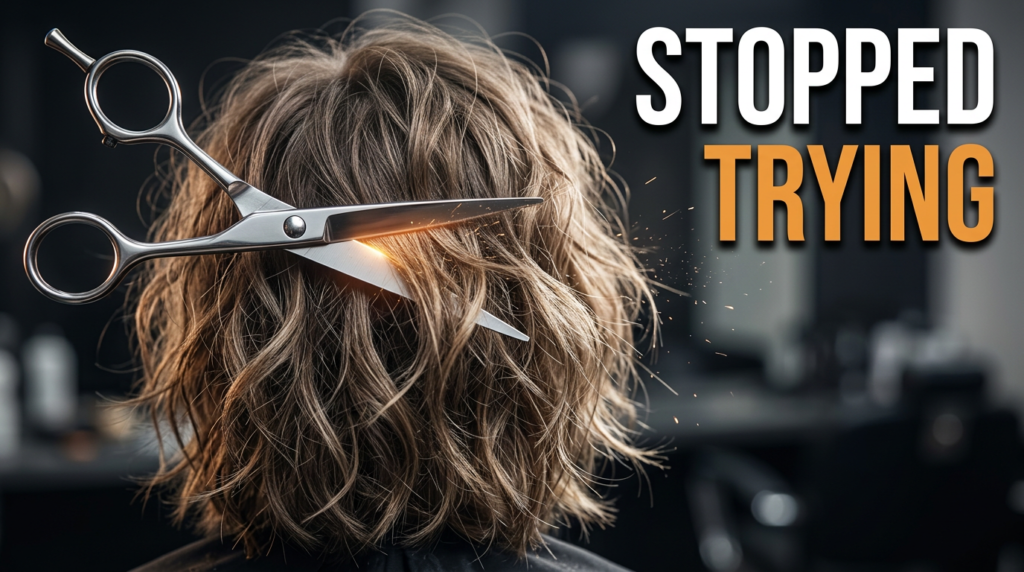
The lob, or long bob, sat at the center of everything. It offered the clean shape of a classic bob with enough length to feel versatile and non-committal. Some versions were polished and precise. The most quintessentially 2016 lobs, however, were choppy, wavy, or subtly layered for movement.
Why Bangs Had a Different Kind of Moment
Bangs also had a major moment in 2016, but not the stiff, ruler-straight fringes of earlier eras. The year favored softer styles — curtain bangs, shaggy pieces, and long fringes that felt casual and lived-in. Precision wasn’t the point. The obsession was with the illusion of effortlessness — hair that looked styled by the wind, even if it took a few products to actually get there.
Men’s Hair in 2016: Structure Meets Freedom
Men’s hairstyles in 2016 followed the same underlying logic, just expressed differently. Trend reports from that year showed a consolidation of looks that had been building for several years. On one hand, longer and more casual styles with heavy texture were everywhere. On the other, sharp high fades and undercuts continued their rise.
The real magic came from combining both. The most iconic men’s looks fused tight structure on the sides with longer, freer movement on top. A skin fade would give way to a messy quiff or a relaxed pompadour. Control met freedom. Clean lines met natural texture. That dynamic balance changed how men talked to their barbers — the conversation shifted toward cutting for texture, not just perfect geometry.
The Full Range of Men’s Styles
Popular looks also included modern pompadours, textured fringes, and a whole family of undercut variations. An Esquire roundup of the year even included looser curls and longer styles, showing just how wide the definition of “cool” had become. The common thread across all of it was texture and a lack of stiffness. Hair looked intentional but not controlled. Shaped but still moveable.
According to Vogue’s ongoing coverage of hair evolution and celebrity style, the mid-2010s marked a pivotal point where the beauty industry broadly shifted away from high-maintenance ideals toward cuts and styles designed to work with natural texture rather than override it — and 2016 stands as the clearest expression of that shift.
The Forces That Made “Undone” Go Mainstream
Why did this relaxed, textured aesthetic spread so fast and so far? Several things came together in 2016 to make the “undone” look feel inevitable rather than accidental.
First, celebrity influence worked differently that year. The stars championing these styles felt relatable, not untouchable. A fan could look at Jennifer Lawrence’s wavy bob and genuinely believe they could get a version of that cut for their own life. The most viral hair trends have always been the ones that feel possible for real people, not just people with stylists on speed dial.
Second, “low-maintenance” became a genuine aspiration rather than a compromise. The most popular cuts looked good even as they grew out. Shaggy layers and shoulder-length styles fit busy schedules and faster morning routines. A hairstyle had to photograph well, but it also had to survive a full day. Messy, in 2016, meant carefully curated to look effortless.
Products and Tutorials Made It Accessible
Third, the tools and tutorials available that year made these styles more achievable than ever before. For women, sea salt sprays and no-heat wave techniques went mainstream. For men, styling guides promoted waxes and pastes that created lift and separation instead of a glued-down finish. The goal in both cases was the same: hair with movement, touchable texture, and a natural reaction to light. On camera, that dynamic look translated perfectly — and 2016 was nothing if not a camera-first era.
What 2016 Hair Said About Culture
This is where a collection of trends becomes something bigger than style. The shift in hair that year wasn’t just about looks. It was about what these styles allowed people to feel and express.
For women, the lob, the textured bob, and soft bangs offered a specific kind of permission. These cuts made shorter hair feel approachable rather than dramatic. A haircut became a signal: “I want a change, but I also want flexibility.” You didn’t need a celebrity’s budget. You needed a decent cut, the right product, and the confidence to embrace a little imperfection.
For men, the diverse landscape of hairstyles reflected a real evolution in grooming culture. Hair became more openly experimental. A man could wear a sharp fade, a messy fringe, or even longer hair — and all of it read as stylish. This variety expanded the visual language of modern masculinity, creating space for texture, length, and individuality that hadn’t existed in mainstream barbershops just a few years before.
As Harper’s Bazaar’s deep coverage of fashion and beauty history has noted, the mid-2010s marked a moment when personal style overtook trend-following as the dominant value in beauty — and 2016’s hair landscape captures that shift better than any single year before or after it.
The Legacy: Why 2016 Hair Still Matters
Here’s the part that surprises most people: many of the hairstyles and attitudes we now associate with modern beauty were solidified in 2016. The textured fringe, the undercut, the soft wave, the countless bob variations — all these elements helped build an aesthetic vocabulary that dominated the years that followed. Even as specific trends evolved, the foundational idea from 2016 stayed intact: hair should look shaped, but never over-controlled.
You can still see this legacy in salon consultations today. The conversation is less often about recreating one rigid reference photo and more about how a cut will grow out, work with natural texture, and fit into a daily routine. That entire mindset — valuing personalization over stiff perfection — hit the mainstream in 2016 and never really left.
The parallel logic between men’s and women’s hair that year is also worth noting. For both, texture was the priority. Personal expression was the goal. The best looks felt adaptable and required no constant upkeep. In that sense, the hairstyles of 2016 weren’t just a trend. They were the year hair became more individual, more practical, and more aligned with how people actually lived.
How to Recreate the 2016 Vibe Today
Three words capture the essence of 2016 hair: texture, flexibility, and personality. For women, that meant lobs, bobs, shags, and soft bangs — cuts that looked just as good air-dried with sea salt spray as they did with a bit of intentional styling. For men, it meant textured crops, modern pompadours, and undercuts where the contrast between tight sides and loose, free movement on top was the main event.
The goal was never to look perfect. It was to look current, confident, and like you had better things to worry about than your hair. If you want to channel that vibe today, skip copying an exact celebrity photo. Adopt the philosophy instead. Before your next cut, ask yourself: Does this style have movement? Will it look good when it’s slightly messy? Does it work with my natural texture instead of fighting it? If the answers are yes, you’re already in 2016 territory.
FAQ — Hairstyles of 2016
Q1: What were the most popular hairstyles of 2016 for women?
A: The most popular hairstyles of 2016 for women centered around the textured lob, choppy bobs, and soft bangs. Platinum blonde, wavy finishes, and a lived-in, undone aesthetic defined the year’s dominant look. Celebrity references like Emma Stone and Jennifer Lawrence made these styles widely aspirational.
Q2: What were the top men’s hairstyles in 2016?
A: Men’s hairstyles in 2016 combined tight fades and undercuts on the sides with longer, textured movement on top. Modern pompadours, messy quiffs, and textured fringes were among the most popular looks. The signature 2016 aesthetic fused clean structure with natural, touchable texture.
Q3: Why did the “undone” or textured look become so popular in 2016?
A: Several forces converged to make it mainstream. Celebrity styles felt relatable and achievable. Low-maintenance cuts grew in appeal as daily routines became busier. Sea salt sprays and texture-creating products also became widely available, making the look easy to recreate at home.
Q4: What is a lob hairstyle, and why was it so big in 2016?
A: A lob is a long bob — a cut that falls somewhere between chin and shoulder length. It offered the modern, clean shape of a bob without the commitment of a very short cut. The 2016 version typically featured choppy ends, soft waves, or subtle layering to add movement and texture.
Q5: Did men’s hair follow a similar trend to women’s in 2016?
A: Yes, the core idea was the same for both. Texture replaced stiffness, and personal expression overtook rigid templates. Men’s looks combined clean structural elements — like skin fades — with looser, more natural movement on top. The underlying attitude was identical: shaped, but never controlled.