The Corset for Prom Dress Mistakes Nobody Warns You About
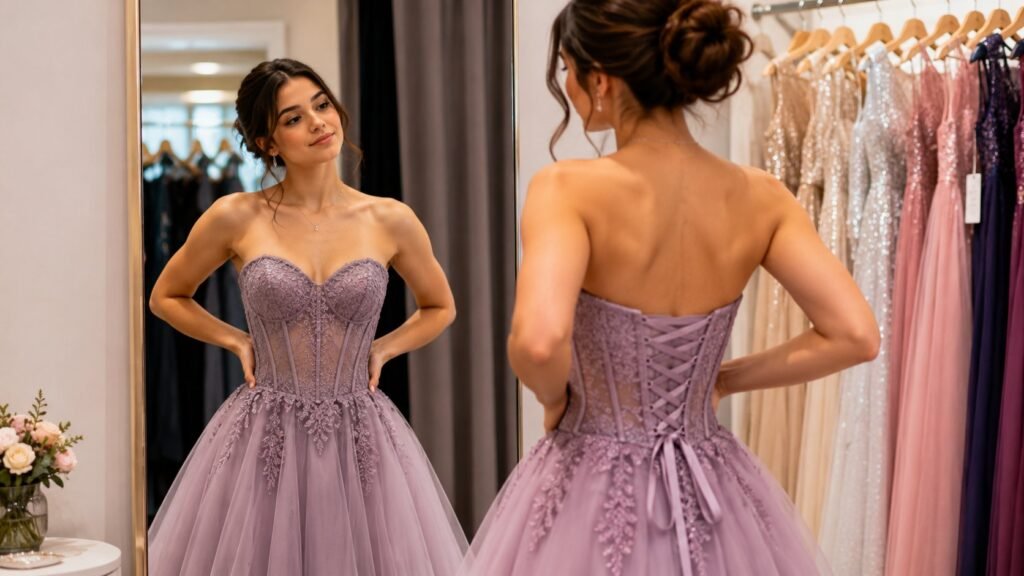
You’ve scrolled for hours, pictured yourself in the photos, and landed on the one. For so many of us, that dream dress has a corset — the snatched waist, the hourglass shape, the feeling of pure glamour. But here’s what nobody tells you upfront: the wrong corset for prom dress choice can turn your dream night into the opposite. A night where you can’t breathe, can’t sit, and definitely can’t dance.
Having tried on more than my fair share of these dresses, I can tell you the real disaster isn’t a dress that looks bad in photos. It’s a dress that makes you feel bad in person. So here are the five biggest mistakes people make with a corset prom gown, and exactly how to sidestep them so the dress supports you all night instead of fighting you.
Mistake One: Sizing Down to “Cinch” Yourself In
Sizing down does not give you a smaller waist — it gives you a dress that won’t close properly. This is the single most common mistake with a corset top prom dress, and it comes from a basic misunderstanding of what a corset is actually built to do.
The logic seems sound: order one size down, and the corset laces will just pull everything in tighter. But designers create an off-the-rack corset prom dress for structure and shape, not as full-body shrink wrap. Size down, and the back won’t close the way it’s should, leaving a wide gap as the laces strain past their limit. The edges dig into your skin and create a “muffin top” effect along your back. Because the dress’s proportions no longer match your frame, the bust can gape or pull at odd angles too. Worst of all, you’ll be in genuine pain — and a properly fitting corset should feel like a firm, supportive hug, not a medieval torture device.
The fix is the step everyone wants to skip: actually take your measurements. Use a flexible measuring tape for your bust, your natural waist (the narrowest part of your torso, not where your jeans sit), and your hips. Then compare those numbers against the specific brand’s size chart rather than your usual dress size, since sizing varies significantly between designers. If you land between two sizes, go with the larger one — especially if the dress has a lace-up back. That lacing is your built-in adjust ability, giving you a cinched look without sacrificing your ability to breathe.
Mistake Two: Choosing Looks Over Structure
A dress can look flawless in the first ten minutes and fail you by the second hour if the internal construction is cheap. This is what happens when a corset for prom dress purchase is based purely on the photo, with no attention paid to what’s holding the shape underneath the fabric.
The boning, seams, and lining of a corset prom dress matter more than the sparkle on top, because that’s the part doing the actual structural work. A lot of fast-fashion dresses use flimsy plastic boning that behaves more like a glorified zip-tie than genuine support. Manufacturers make spiral steel boning from two flat steel wires coiled together, which lets it flex in multiple directions and follow the body’s natural curves along princess seams. By contrast, flat steel boning stays more rigid and holds a straighter line, making it better suited to structured front panels. Plastic boning buckles under pressure, creates visible lumps, and can snap outright, leaving a sharp broken edge pressing into your skin.
When you’re shopping, scan the product description for the words “steel boning,” “spiral steel boning,” or at minimum “reinforced synthetic boning” — brands proud of their construction will say so directly. Also check for “reinforced seams” and quality lining, which prevents chafing and helps the dress hold its shape through a full night of dancing. If you’re shopping in person, feel the boning through the fabric. A flimsy coffee-stirrer texture is a warning sign; solid resistance under light pressure is what you want.
Don’t Skip the Beading Either
If you’re drawn to a beaded prom dress or a beaded corset prom dress specifically, the same “check what’s underneath” rule applies, just with an extra layer. Hand-applied beading and embellishment add real weight to a bodice, and a poorly constructed lining will sag or pull under that weight within a few hours. A strapless beaded prom dress needs internal boning and a supportive lining working together, not just decoration sitting on top of thin fabric — otherwise the bead work drags the neckline down as the night goes on. Look for a lined, boned bodice underneath any beaded or floral beaded prom dress before you fall for the embellishment alone.
Mistake Three: Picking a Fabric That Fights Your Body
A fabric that looks luxurious in a photo can turn into a genuine obstacle course once you’re actually moving in it. You sit down in a heavy satin corset prom dress and the whole dress shifts up toward your ribs. You raise your arms to dance and feel like you’re in a beautifully coloured straitjacket. Because the material can’t breathe, you’re overheating within the first hour.
This happens when designers choose a fabric for how it photographs on a mannequin rather than how it performs on a moving body. Structured fabrics like heavy satin or mikado—a stiff, tightly woven silk-blend fabric prizes in formal wear for holding a crisp shape—create a genuinely sharp silhouette, but they only work in your favour if designers designed the dress with movement in mind from the start.
The fix isn’t avoiding these fabrics; it’s shopping smarter within them. Look for signs the designer thought about movement, like hidden stretch panels along the sides or back. A stretch satin corset prom dress gives you the same sleek finish with meaningfully more give. Check the lining too—a satin outer shell feels much better against your skin when soft, breathable cotton backs it instead of another layer of synthetic fabric. Read reviews specifically for mentions of comfort, sitting, and dancing, since people will always tell you if they could actually move in a dress. In a fitting room, do a real mobility test: sit in a chair, raise your arms, take a few steps. Anything that feels restrictive there will feel worse four hours into prom.
Mistake Four: Not Dressing for Your Body Shape
Falling for a mermaid-style corset dress because it looked incredible on a model, then feeling wrong the second you put it on yourself, isn’t a failure of your body. It’s a mismatch between silhouette and shape. If you have curvier hips, a fitted mermaid cut can feel restrictive; if you have a straighter figure, it might not create the curves you were hoping for.
One R29 editor described struggling with body image at 5’8″ while developing curves earlier than her shorter friends — until a mermaid silhouette helped her recognise her body as beautiful rather than something to shrink. That’s the real argument for shopping your actual shape rather than someone else’s: the right silhouette doesn’t just fit better, it can change how you see yourself in the mirror.
Choose a corset dress that complements your body shape. A-line and ball gown skirts balance pear-shaped figures, structured bodices define apple shapes, supportive bodices flatter fuller busts, and fitted or voluminous skirts enhance athletic builds. Whether you prefer dramatic or sleek, a structured silhouette always creates a polished, modern look.
Before you start scrolling, look in the mirror and ask what you actually want to play up. The best corset prom gown celebrates the body you have, not the one in someone else’s photo.
Mistake Five: Skipping the Dress Rehearsal
You found the dress, avoided the sizing traps, checked the structure, picked the right fabric and silhouette. Then thirty minutes before your ride arrives, you throw it on, have a friend yank the laces as tight as they’ll go, and rush out the door. You look stunning in the first photo. By the time you reach the venue, your back aches, the laces have shifted unevenly, and there’s a pinching sensation at your waist.
A corset for prom dress purchase is not a t-shirt you can throw on and expect to perform instantly. Lace it properly, then give your body a few minutes to settle into it. If you rush the lacing process, you’ll almost certainly end up with a sloppy fit and a genuinely uncomfortable night.
A day or two before prom, wear your full outfit and have a friend lace your dress evenly from the bottom up. Make sure you can breathe, sit, walk, and dance comfortably. This trial run helps you fine-tune the fit and makes getting ready on prom night quick and stress-free.
Five mistakes can turn a corset prom gown into a disappointment: sizing down, choosing style over structure, picking the wrong fabric, ignoring your body shape, and skipping a trial wear. Get it right, and your corset prom dress will feel as comfortable as it looks stunning.
FAQ
Q: What size should I order for a corset prom dress?
A: Measure your bust, natural waist, and hips with a flexible tape, then compare those numbers directly against the specific brand’s size chart rather than your regular dress size. If you fall between two sizes, size up — a lace-up back gives you room to adjust down, but there’s no way to add missing fabric if you sized down and it doesn’t close.
Q: Is a corset prom dress uncomfortable to wear all night?
A: It shouldn’t be, if it’s fitted and constructed properly. Discomfort almost always traces back to incorrect sizing, cheap plastic boning, or skipping the pre-prom fitting — not to corset dresses as a category.
Q: What’s the difference between a corset prom dress and a corset top prom dress?
A: They’re generally used interchangeably to describe a boned, structured bodice on a formal dress. The distinction usually comes down to how much of the bodice is corset-style versus how the skirt attaches, rather than a strict industry definition.
Q: Can I dance in a corset prom dress?
A: Yes, if the boning and fabric were chosen with movement in mind. Look for spiral steel boning (which flexes with your body) over rigid plastic, and check for stretch panels or a stretch satin fabric rather than a completely rigid material.
Q: How tight should a corset prom dress be laced?
A: Snug, with even tension pulled from both sides — not as tight as physically possible. You should be able to take a full breath and sit down comfortably. If you can’t do either, it’s laced too tight regardless of how it looks.