5 Silent Signals Your Afternoon Tea Outfit Is Sending
You’ve got the reservation, and you’re already dreaming of the scones. But then comes the question that trips up almost everyone: what are you going to wear? Picking the right afternoon tea outfit sounds simple enough — yet this is one of those rare occasions where the wrong choice can make you feel completely out of place. Are you overdressed? Underdressed? Does that dress you love actually scream, “I tried way too hard”?
That feeling is exactly what makes afternoon tea so fascinating as a dress code. It’s not just about tiny sandwiches and clotted cream. This tradition lives in the tricky space between a casual brunch and a formal dinner, and your outfit has to do something subtle but crucial — it has to show that you get it.
And since the Duchess of Bedford started the whole tradition back in the 1840s to fill the hungry gap between lunch and a fashionably late dinner, the clothes have always been part of the conversation. So here are the 5 silent signals your outfit sends at afternoon tea — and exactly how to make sure yours communicates nothing but pure confidence.
Signal 1: “I’m Trying Too Hard” vs. “Effortlessly Chic”
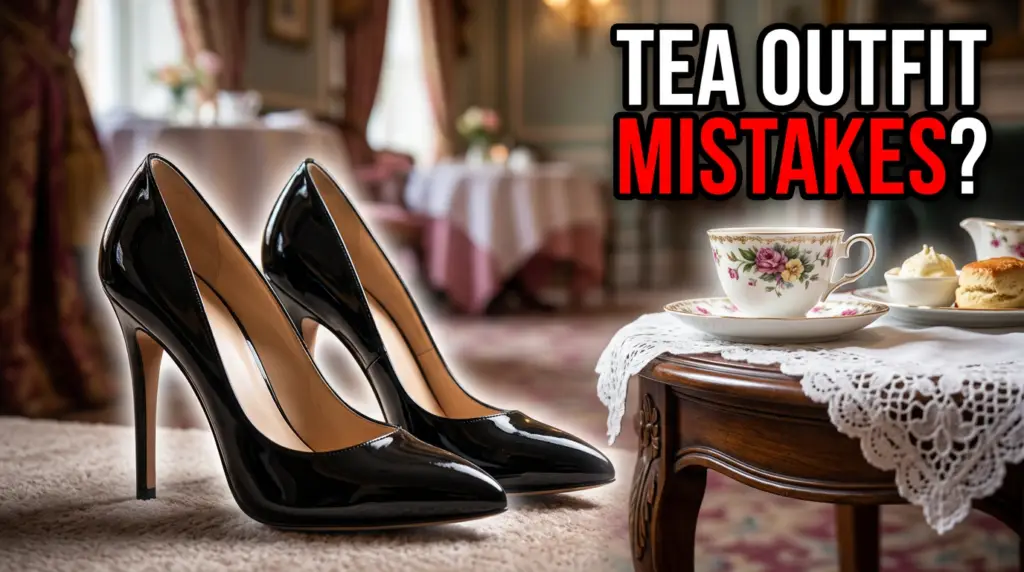
The first and most common mistake is accidentally sending the “I’m Trying Too Hard” signal. This happens when you mix afternoon tea up with a cocktail party. Think bodycon dresses, sky-high stilettos you’d wear to a club, or a full-on evening gown. While you’re clearly aiming for glamour, the signal it sends is that you’re not quite familiar with the soft, daytime elegance that tea calls for. It can actually read as insecurity — like you overcompensated because you feared being underdressed.
The goal, instead, is to look effortlessly chic. This is the art of appearing perfectly polished without looking like you spent all day stressing about it.
And the secret weapon? The classic tea dress — a style literally named for this occasion. A floral midi, a graceful wrap dress, or a simple A-line skirt that moves beautifully — these are the gold standard. They’re feminine, comfortable, and they send a clear, confident message: I belong here. My elegance is easy.
Pair one with low heels or chic flats, and you’ve genuinely nailed it. According to Harper’s Bazaar, the midi dress remains one of the most reliably elegant choices for daytime dressed-up occasions — and afternoon tea sits right at the heart of that category.
Signal 2: “I Didn’t Read the Room” vs. “Venue-Aware”
The second signal is a big one: “I Didn’t Read the Room.” This happens when your outfit just doesn’t match the specific venue where you’re having tea — and it matters more than most people realise.
Here’s the thing: afternoon tea isn’t one single dress code. It’s a whole spectrum. Wearing distressed jeans and trainers to a grand hotel like The Ritz — which operates a formal dress code — sends a pretty jarring signal. It can feel like a lack of respect for the tradition. But equally, arriving in a full formal dress and a fascinator to a laid-back neighbourhood tea house can make you feel just as out of place.
The far more graceful move is to send a venue-aware signal. Before you even open your wardrobe, do one simple thing: check the venue’s website.
- For a grand hotel or formal afternoon tea — lean into smart casual. Think tailored trousers and a silk blouse, a chic skirt set, or a polished dress in a quality fabric.
- For a relaxed café or garden tea party — you can soften things up. A pretty sundress, smart dark-wash jeans with a blazer, or even stylish sandals all work beautifully here.
When you match your outfit to the specific setting, you’re not just dressed for tea. You’re dressed for this tea. That distinction matters, and people notice it even when they can’t quite explain why.
The Right Afternoon Tea Outfit Always Comes Down to These Details
Before moving on to signals three through five, it’s worth pausing on a key truth: the finest afternoon tea outfit choices always come from thinking about the whole picture — not just the dress.
Think about texture, fit, and occasion-appropriateness together. A beautiful dress paired with the wrong bag or the wrong shoes undoes the whole effect. And equally, a simple outfit pulled together with the right accessories can look incredibly polished.
This brings us perfectly to signal three.
Signal 3: “I’m Just Passing Through” vs. “Polished & Present”
Signal number three often has less to do with your actual clothes and more to do with everything you bring with you: the “I’m Just Passing Through” signal.
You send this when your accessories are too casual, too bulky, or just too functional for the setting. That oversized work tote you’ve been carrying all day? A scuffed backpack? They break the spell immediately. They signal that tea is just another errand on your list rather than a special occasion you’re fully showing up for. Even a perfect dress loses its effect alongside a pair of beaten-up trainers or flip-flops, which are a near-universal no for traditional afternoon tea.
Instead, you want to look polished and present — and that means your accessories carry intention.
Swap the giant tote for a small structured handbag or a neat clutch. Keep jewellery delicate — a simple string of pearls, a good watch, or a thoughtful brooch all work beautifully. And let your shoes finish the look properly: kitten heels, stylish flats, or loafers hit that sweet spot between elegance and comfort.
These details don’t shout for attention. They whisper that you arrived with care, and that you’re fully present for the occasion.
Signal 4: “Uncomfortable & Fidgety” vs. “Graceful & At Ease”
The fourth signal is entirely about how you feel, and it shows more than you think: the “Uncomfortable & Fidgety” signal.
Most people have experienced this at some point — wearing a dress that’s slightly too tight, a fabric that makes you overheat, or heels that felt fine in the shop but become a nightmare by the time you sit down. When you’re uncomfortable, it genuinely shows. You start tugging at your hem, shifting in your seat, and mentally counting down to when you can go home and change. Afternoon tea is supposed to be leisurely and enjoyable. An outfit that causes you physical discomfort pulls you completely out of the experience.
What you’re truly aiming for is to be graceful and at ease — and real elegance, as it turns out, is comfort.
This is exactly why wrap dresses work so consistently well for tea. They’re adjustable, forgiving, and endlessly flattering. It’s also why breathable fabrics like cotton and silk suit warmer days so perfectly, and why soft knits feel so right for winter teas. The most elegant women at any afternoon tea choose clothes they can move, sit, and gesture in without a second thought — and shoes they can actually walk in.
When you feel physically comfortable, you radiate a calm, confident energy. And that, more than any specific garment, signals true sophistication.
Signal 5: “Trend-Obsessed” vs. “Timelessly Elegant”
The final signal is the “Trend-Obsessed” one. This happens when an outfit leans so heavily into a loud, fleeting trend that it feels out of step with the classic atmosphere of afternoon tea. Think aggressive logo-covered pieces, neon colour clashes, or an excess of cut-outs. Personal style is always worth celebrating — but afternoon tea is an occasion rooted in tradition. An outfit that shouts “this season only” can feel like a fashion statement that’s just a little too loud for the quiet elegance of the room.
Instead, aim for timelessly elegant — and this doesn’t mean old-fashioned. It simply means choosing classic pieces that always look good in a dressed-up daytime setting.
Florals, pastels, and rich jewel tones work beautifully at tea, as they always have. A well-cut blazer, a crisp blouse, or a pleated skirt carry a timelessness that no trend can replicate. They communicate quiet confidence and a real appreciation for enduring style.
You can absolutely still show your personality here. A romantic floral dress and a sleek, modern tailored jumpsuit can both send this signal equally well. As the style editors at Vogue consistently point out, the most enduring elegant looks are built on pieces that transcend seasons — not ones that announce them.
Putting It All Together: Your Pre-Tea Outfit Checklist
Before you finalise your afternoon tea outfit, run through these five questions quickly:
- Are you going for effortless chic, or tipping into trying too hard?
- Does your outfit match the specific venue you’re visiting?
- Do your accessories feel intentional and polished, or accidental?
- Can you sit, pour tea, and move comfortably in this for two hours?
- Does the look feel classic and occasion-right, or is it chasing a trend?
When all five answers point in the right direction, you’ve got it. And once you get there, something genuinely lovely happens — you stop thinking about what you’re wearing, and you start noticing the clink of the teacup and the pleasure of good company. That’s the real reward of dressing well for afternoon tea.
FAQ Section
Q1: What is the best afternoon tea outfit for a smart hotel?
A: For a formal hotel afternoon tea, the best afternoon tea outfit is typically a midi dress, a tailored skirt and blouse combination, or smart trousers with a silk top. Choose polished fabrics like satin, silk, or fine cotton, and finish with kitten heels or elegant flats. Avoid overly casual pieces like jeans, trainers, or heavily logoed items.
Q2: Can I wear jeans to afternoon tea?
A: It depends entirely on the venue. At a casual café or relaxed garden tea party, smart dark-wash jeans paired with a blazer and nice shoes can absolutely work. However, at a grand hotel or a venue with a formal dress code, jeans — especially distressed ones — tend to send the wrong signal. Always check the venue’s dress code before deciding.
Q3: What shoes should I wear to afternoon tea?
A: Kitten heels, stylish flats, and loafers are all excellent choices. They balance elegance with comfort, which matters because afternoon tea tends to last a couple of hours. Avoid overly casual options like trainers, flip-flops, or heavily worn shoes, as these can undercut even the most beautiful outfit.
Q4: What colours work best for an afternoon tea outfit?
A: Pastels, florals, and rich jewel tones are all classic choices that suit the atmosphere beautifully. Soft pinks, dusty blues, sage greens, and warm creams all photograph well and feel naturally in keeping with the occasion. Neons or very aggressive prints can feel a little out of place in traditional tea settings.
Q5: Is a wrap dress a good afternoon tea outfit choice?
A: A wrap dress is one of the most reliable choices you can make for afternoon tea. It’s adjustable, flattering on most body types, easy to move and sit in, and strikes the perfect balance between dressed-up and relaxed. Pair it with delicate jewellery and a small structured handbag for an effortlessly polished look.
Q6: What accessories should I wear to afternoon tea?
A: Keep accessories delicate and intentional. A small structured handbag or clutch, a simple string of pearls or a fine watch, and understated jewellery all work well. Swap any large or very casual bags for something smaller and more refined. Accessories should whisper elegance, not compete with the overall look.
Q7: Is there a dress code for afternoon tea?
A: Yes, most formal afternoon tea venues operate at least a smart casual dress code, and some — like The Ritz in London — require more formal attire. It’s always worth checking the venue’s website before choosing your afternoon tea outfit, as the dress code varies significantly between grand hotel teas and casual neighbourhood settings.
Q8: Can I wear a jumpsuit to afternoon tea?
A: Yes, a well-cut, tailored jumpsuit in a classic colour or subtle print can make a very chic afternoon tea outfit. Choose a style that feels polished and daytime-appropriate rather than one that leans heavily into evening or overly casual territory. Pair it with heels or smart flats and a structured bag for a put-together, modern look.