7 Satin Halter Dress Picks That Actually Live Up to the Hype
A satin halter dress has one of the highest payoff-to-effort ratios in fashion. Put it on, and it does a surprising amount of the styling work for you — the neckline frames the collarbone, the fabric catches light, and the overall effect reads as intentional and elegant without trying hard. But not every option delivers on that promise. Fit, fabric weight, and construction quality vary significantly, so knowing what to look for before you buy saves real frustration. This guide covers what makes a satin halter dress work, what to expect at each price point, and how to style it for different occasions.
Why a Satin Halter Dress Works the Way It Does
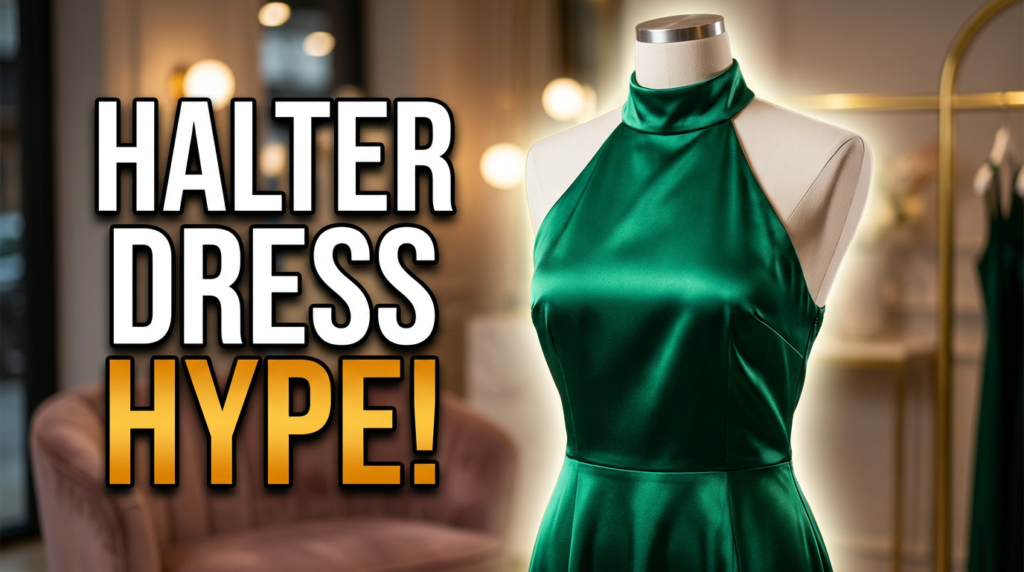
The effect a satin halter dress creates is not accidental — it comes from how two design systems interact. The halter neckline generates diagonal leading lines that travel from the bust upward and inward toward the neck. In fashion design, leading lines direct where your eye moves. These specific lines pull the gaze upward, creating visual length along the body and naturally framing the collarbones and shoulders.
At the same time, a well-constructed halter intentionally leaves the shoulders bare. This creates an inverted triangle at the top of the silhouette — a shape that can make the shoulder line appear broader and more defined, which by contrast makes the waist look narrower. Furthermore, that geometry interacts directly with the fabric.
How Satin Amplifies the Halter Effect
Satin catches and moves light in a way that most fabrics cannot. Unlike matte fabrics that absorb light evenly, satin has a weave structure that creates shine on the surface and shadow in the folds. As a result, it traces the lines the halter neckline creates — making the architectural structure of the dress visually louder. The neckline draws the eye; the satin adds drama to wherever that eye lands.
This is also why satin weight matters when buying. A heavier satin, typically 100% polyester charmeuse at 95gsm or above, drapes with a clean, fluid fall that elongates the silhouette. A lighter or cheaper satin — thin polyester with visible texture — tends to cling unpredictably or bunch at the seams, undermining the whole effect. As Who What Wear’s styling team notes in their breakdown of satin dress styling and fabric quality, the difference between a satin dress that reads as luxurious versus cheap is almost entirely in the fabric weight and finishing, not in the price tag.
The Construction Details That Separate Good Options from Bad Ones
A satin halter dress looks deceptively simple. However, the simplicity is actually the result of solving several structural design problems, and brands that cut corners make those problems visible.
Neckline Stability and Lining
Because the neck straps carry the full weight of the dress bodice, the construction at that join point is critical. A well-made satin halter dress will include interfacing and lining behind the neckline panel. This prevents the straps from stretching, the fabric from pulling diagonally across the bust, or the front panel from gaping after a few hours of wear. When assessing a dress — either online through detail photos or in person — check whether the neckline feels structured when you hold it. A fully unlined, floppy neckline in a satin halter will always lose its shape.
Seam Finishing and Back Closure
The back closure is the second major construction variable. Most well-constructed options use either a full-length invisible zipper or an adjustable tie at the neck with a low back. Both can work, but each requires clean execution. A tie-back that pulls unevenly shifts the neckline off-center. An invisible zipper that stops mid-back forces the satin to bunch. Look specifically for dresses where the zipper runs the full intended range of the garment, and where the satin at the zipper seam lies flat in product photography.
Bias Cut vs. On-Grain Cut
Some designers cut satin on the bias — at a 45-degree angle to the fabric grain. This gives the satin more natural stretch and produces that characteristic fluid drape that hugs the body. Bias-cut satin halter dresses are often more expensive because they use more fabric and require greater cutting precision. On-grain satin halter dresses are more structured and less body-conscious. Neither is inherently better — the distinction is about the look you want. For a sleek, close-fitting silhouette, bias-cut is worth the additional cost.
A Satin Halter Dress Across Every Occasion
One reason this style has stayed relevant across decades is its range. The same silhouette that read as Studio 54 disco glamour under Halston’s hand in the 1970s works equally well as a modern wedding guest dress, a formal evening look, or a dressed-down weekend outfit. However, that range depends on how you style it — the dress itself is neutral.
Formal and Evening Occasions
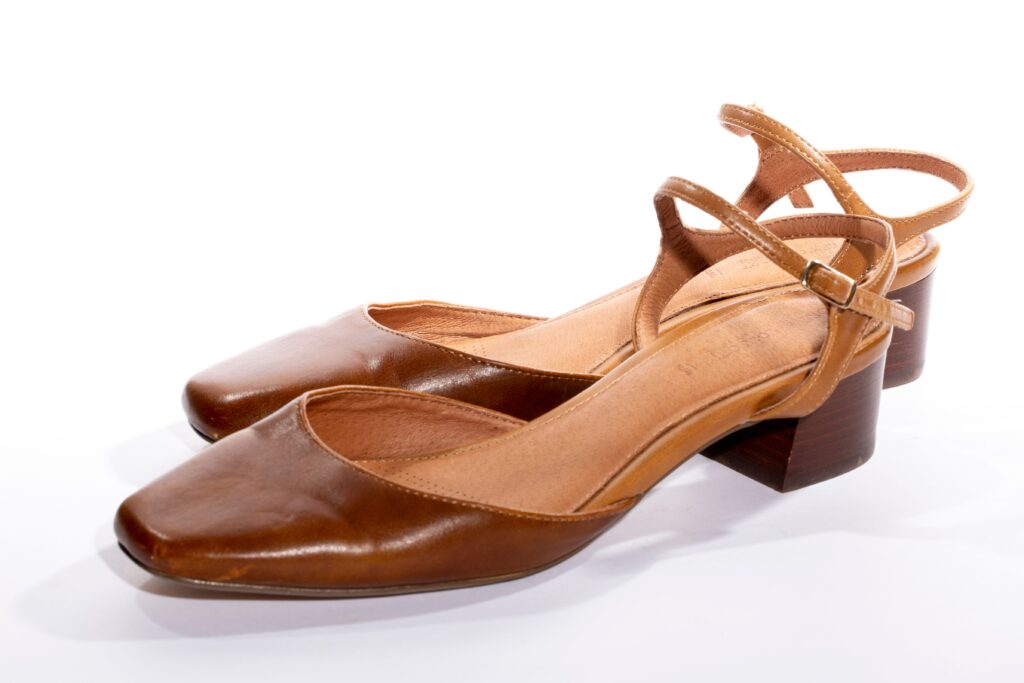
For black-tie or upscale events, the styling principle is restraint. A satin halter dress at this occasion level works best with minimal jewelry — a simple gold chain or single stud earrings — and clean, heeled mules or strappy sandals. The dress is already doing significant visual work with the satin and the neckline architecture, so layering on statement accessories competes with it rather than complements it.
The color choices that photograph best for formal evening wear are deep and rich: midnight black, burgundy, forest green, or ivory. However, for daytime formal events like a garden wedding, champagne, dusty rose, and soft sage also land well in satin.
Casual Daytime Styling
The contrast-layering approach is what transforms a satin halter dress from eveningwear to something you’d actually wear on a Saturday. A cropped denim jacket adds visual weight and texture contrast at the top, which grounds the satin and makes it read more casual. Alternatively, a soft chunky knit cardigan draped over the shoulders achieves the same effect with a warmer, more relaxed result.
Footwear choice also shifts the read significantly. Flat sandals or white sneakers worn with a satin halter dress signal casual confidence rather than red-carpet formality. The mixing of textures — satin against denim, satin against knitwear — is the styling technique that makes the outfit feel considered rather than costume-like.
Wedding Guest and Semi-Formal Events
For wedding guests, a satin halter dress in a non-competing color to the likely bridal palette is an excellent choice. Additionally, the halter neckline is practical for summer and outdoor weddings since it leaves the shoulders and upper back bare. A silk-effect or polyester satin in a midi length hits a formality note that works across ceremony and reception without requiring a wardrobe change.
As Harper’s Bazaar’s fashion team documents in their guide to wedding guest dresses worth investing in, satin-finish dresses consistently rank as high-return purchases because they photograph well, work for multiple occasions, and elevate easily with accessories.
What to Look For at Different Price Points
The satin halter dress market runs a wide range, from fast fashion under $40 to luxury versions above $500. However, the differences are specific and knowable, so spending more only makes sense when you’re getting something quantifiable in return.
Under $80 — What to Expect
At this price point, the fabric is almost always polyester satin. That is not automatically a disadvantage — quality polyester charmeuse can look genuinely elegant, especially in darker colors that minimize the risk of visible shine-through. The trade-off at this level is typically in construction finishing: seams may not be fully overlocked, lining may be absent or thin, and the neckline interfacing may not hold long-term. These dresses are excellent for single-occasion use or low-frequency wear.
$80–$250 — The Value Zone
This range is where most buyers find the best value. At these price points, brands typically invest in heavier fabric weights, full lining, and reinforced neckline construction. Moreover, fit tends to be more consistent, which matters significantly in a satin halter dress where the neckline placement is precise. Many mid-range options in this bracket use a blend of polyester and viscose or acetate satin, which increases the natural drape without reaching silk pricing.
$250 and Above — Silk and Precision Craftsmanship
Above $250, you start accessing real silk satin and bias-cut construction from smaller labels. Silk satin has a noticeably different hand — it moves more fluidly, regulates temperature better, and catches light in a softer, less synthetic way. For investment pieces or occasions where the dress will appear in professional photographs, this range is worth considering. Otherwise, a well-made polyester charmeuse from the $80–$250 bracket performs nearly as well for casual to semi-formal occasions.
Styling a Satin Halter Dress: The Practical Summary
Before buying or wearing a satin halter dress, decide on the occasion and the temperature — both physical and stylistic. The halter neckline is always the visual anchor, so every other choice should either support it quietly or contrast it deliberately.
For formal looks, keep accessories and styling simple. Casual outfits look better with layered textures that create contrast. During transitional weather, a structured blazer in a complementary color bridges the gap between the satin’s formality and everyday practicality. The satin halter dress rarely needs more than two additional elements to feel complete — the neckline and the fabric take care of the rest. Start there, and add only what the occasion genuinely requires.
FAQ — Satin Halter Dress
Q: What body types suit a satin halter dress best?
A: The halter neckline creates visual width at the shoulder line, which makes it particularly flattering for pear-shaped and hourglass frames. However, the fit of the bodice and the weight of the satin matter more than body type. A well-fitted, heavier satin halter dress tends to flatter a wider range of bodies than a light or poorly fitted one.
Q: Is a satin halter dress appropriate for a formal black-tie event?
A: Yes, provided the dress reaches the appropriate length — typically midi to floor-length for black-tie — and the satin is a heavier weight or silk. The halter neckline has long been a staple of formal evening wear, with notable examples such as Michelle Obama’s Jason Wu gown at the 2013 Presidential Inaugural Ball.
Q: How do I stop a satin halter dress from slipping or gaping at the neckline?
A: This is a construction issue rather than a styling one. The neckline of a satin halter dress needs interfacing and lining to stay stable. If your dress gaps, a thin elastic strip or a simple tailor adjustment usually fixes it permanently.
Q: Can I wear a satin halter dress in cold weather?
A: Yes. A longline blazer, fitted turtleneck, or structured coat makes a satin halter dress suitable for cooler weather. Additionally, thigh-high boots paired with a midi-length satin halter dress read as intentional rather than impractical in cooler temperatures.
Q: What’s the difference between silk satin and polyester satin in a halter dress?
A: Silk satin is softer, more temperature-regulating, and has a more subdued, natural sheen. Polyester satin is more durable, easier to care for, and significantly cheaper. For everyday wear and most occasions, quality polyester satin is a practical choice. For high-frequency formal use or professional photography, silk satin performs noticeably better.

Muhammad Awais is the founder of PeakRank Agency LLC, a white-label link building company helping SEO agencies and SaaS brands grow organic traffic through editorial guest posts and contextual link placements. With hands-on experience as a Senior SEO Specialist and Link Builder, he manages a vetted network of 2,000+ quality websites across multiple industries. His focus is on niche-relevant, white-hat link building that delivers real, long-term results.