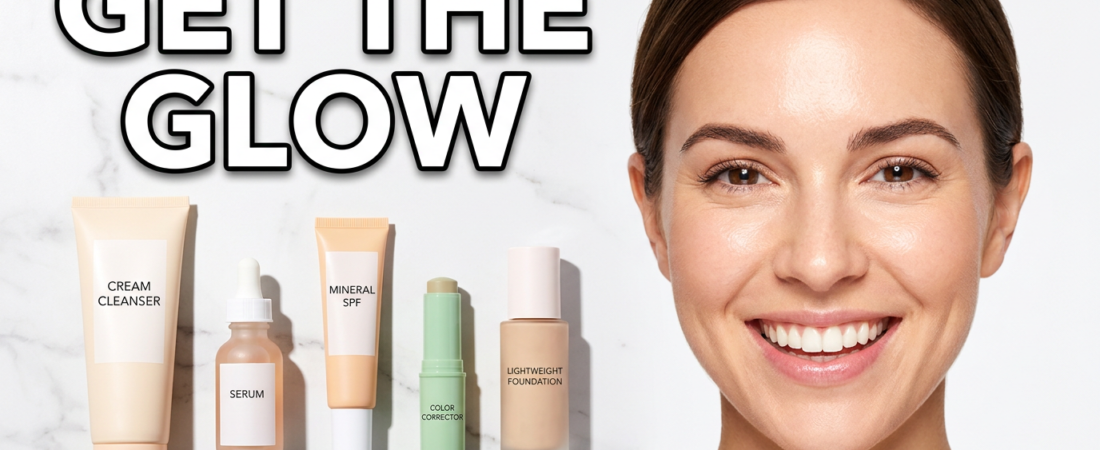
The Rosacea Foundation Hack That Actually Works (It’s Not What You Think)
You’ve probably stood in the foundation aisle more times than you’d like to admit, squinting at ingredient labels, reading reviews, hoping this one will finally be the one. The one that covers the redness without looking cakey, without stinging, without making your skin feel like it’s on fire two hours later.
Here’s what nobody tells you: the best foundation for rosacea isn’t really about the foundation at all.
It’s a strategy. And once you understand that, the whole frustrating product search starts to make a lot more sense.
Why the “Perfect Foundation” Search Always Feels Impossible
Rosacea isn’t just redness. If you live with it, you already know — it’s unpredictable flushing, that burning or stinging sensation that shows up uninvited, and skin that seems to have an opinion about every single thing you put on it. Even applying makeup can feel like a gamble on some days.
That’s why searching for the “best foundation for rosacea” is so exhausting. Because the honest answer? There is no single magic bottle that works for everyone. The real solution isn’t a product — it’s an approach. It depends on your unique skin triggers, how much coverage you actually want, and whether your goal is to calm the redness, conceal it, or a bit of both.
So instead of chasing one miracle product, let’s build a smarter, gentler system. One that puts your skin’s health first and lets you use dramatically less makeup — not more.
The Real “Foundation” Hack: Use Less, Not More
Here’s the core insight that changes everything: the best foundation for rosacea-prone skin isn’t the one with the most coverage. It’s the one that lets you use the least amount of product.
The goal is for your base to disappear — leaving your skin looking like your skin, just on a really good day.
That shift in thinking leads to three important principles:
Less is always more. Rosacea-prone skin often has a compromised skin barrier, which means it’s easier to irritate than most. Piling on layers — even well-intentioned ones — increases the risk of triggering a flare. Dermatologists consistently recommend keeping routines as simple as possible.
Formula matters more than brand. Look for fragrance-free, non-comedogenic formulas designed for sensitive skin. If your foundation has SPF, mineral sunscreens with zinc oxide or titanium dioxide are generally better tolerated than chemical filters. Steer clear of alcohol, camphor, menthol, and heavy fragrances — all common irritants that can make rosacea worse.
Application technique is everything. Even the most rosacea-friendly foundation can trigger a flush if you apply it by rubbing aggressively. Use light pressure, clean tools, and a gentle tapping or stippling motion instead of swiping.
The full strategy is a three-part sequence: calm the skin first, neutralize the redness second, then apply a minimal amount of a gentle foundation. Get that order right, and everything else falls into place.
Step 1: The Skincare Prep That Makes or Breaks Your Base
Everything starts before you open a single makeup product. You can’t expect foundation to look smooth over irritated, inflamed skin — it’s like trying to paint a bumpy wall without priming it first.
Cleanse gently. Use a non-foaming cream cleanser with lukewarm — never hot — water. Hot water and aggressive scrubbing are two of rosacea’s biggest enemies, and they’re completely avoidable.
Layer in soothing hydration. After patting skin dry (no rubbing), apply a soothing serum. Look for ingredients like glycerin, hyaluronic acid, and ceramides. Ceramides are particularly valuable for rosacea because they reinforce the skin barrier, helping lock moisture in and keep irritants out. Some people also benefit from low concentrations of niacinamide (around 2–4%) for its anti-inflammatory properties — though higher percentages can sting very sensitive skin, so patch testing is a must.
Follow with a barrier-repairing moisturizer. A fragrance-free formula with ceramides, squalane, or oat extract works beautifully here. Let it absorb for at least five minutes before moving on. This step creates a smooth, hydrated base that helps makeup apply more evenly and provides an added layer of protection between your skin and the products layered on top.
Sunscreen is non-negotiable. UV exposure is one of the most common rosacea triggers, making daily broad-spectrum SPF 30 or higher essential — not optional. Mineral formulas are often the safest choice, and many newer tinted mineral sunscreens give you a head start on color correction while protecting your skin.
Only after all of this — cleansed, hydrated, protected — is your skin ready for makeup.
Step 2: The Color Theory Trick That Neutralizes Redness Before Foundation
This is where the real magic happens. And it comes straight from basic color theory.
On a color wheel, the color directly opposite red is green. That means green optically cancels out red tones. By applying a tiny amount of a green-tinted color corrector or primer before foundation, you neutralize the redness at the source — so your foundation barely has to work.
Here’s how to do it without looking like you lost a bet:
Use a small, pea-sized amount of a green liquid or cream corrector (these formulas blend most seamlessly). Using your ring finger — which applies the lightest pressure of any finger — gently tap the product onto red areas like your cheeks and around your nose. No rubbing, no swiping. Just a soft tapping motion, pressing the product into the skin.
You’re not trying to paint your face green. You’re just taking the edge off the redness, softening that fiery flush into something much more neutral. The effect is subtle but genuinely remarkable — you’ll notice the angry red cool down almost immediately.
By the time you’ve finished this step, the majority of your redness has already been addressed. That means less foundation, less product on your skin, and a far more natural-looking result.
Step 3: Apply Foundation — But Way Less Than You Think
With your skin prepped and your redness neutralized, foundation’s job becomes almost effortless.
Choose a lightweight liquid foundation, a hydrating skin tint, or a tinted moisturizer — always fragrance-free, always formulated for sensitive skin. Skincare-makeup hybrid formulas are particularly ideal here. Look for calming actives like ceramides, niacinamide (at skin-safe levels), centella asiatica, or oat extract built right into the formula. Avoid anything marketed with arnica for rosacea specifically — evidence is limited, and it can actually irritate some sensitive skin types.
Dispense just one small pump onto the back of your hand. Using a damp beauty sponge or a soft foundation brush, pick up a small amount and begin gently stippling it onto your skin — starting at the center of your face and blending outward. That tapping motion presses product into the skin for a seamless, natural finish without the friction that causes flushing.
Because the green corrector already handled the redness, foundation only needs to unify your overall skin tone. You’ll be surprised how little you actually need. The result is a soft-focus, skin-like base — not a mask, not a filter, just your face looking like itself on a great day.
The Part Nobody Talks About: The Emotional Weight of Rosacea
If you have rosacea, you know this goes beyond surface level. It’s the mental calculation before every social situation. The anxiety about sudden flushing when you least expect it. The exhaustion of trying every product marketed as the best foundation for rosacea and still feeling like your skin keeps winning.
Makeup for rosacea isn’t about vanity. It’s about confidence — the feeling of having some say in how you show up in the world on a given day.
And that’s exactly why this system is so freeing. It’s not tied to one specific product that might work for someone else but triggers a flare for you. It’s a flexible, adaptable method that you can apply no matter what your skin is doing, and no matter which products your particular skin happens to tolerate.
The goal was never to look “perfect” or to erase every trace of texture and realness. The goal is to look like yourself on a really good skin day. That’s not just achievable — it’s sustainable. And the beauty industry is finally starting to catch up, with more brands developing skincare-hybrid formulas and tinted SPFs that support the skin barrier instead of just sitting on top of it.
Quick Recap: The 3-Step Rosacea Foundation System
1. Prep your canvas. Cleanse gently, hydrate with ceramides and soothing serums, and always finish with mineral SPF. Let everything absorb before moving to makeup.
2. Neutralize the redness. A tiny amount of green color corrector, tapped gently over red areas, cancels out the color before a drop of foundation touches your skin.
3. Apply foundation — minimally. Choose a fragrance-free, sensitive-skin formula and apply it with a light stippling motion. You’ll need far less than you expect.
Always patch test new products. If something burns, stings, or causes irritation — stop using it immediately. Your skin is communicating, and it’s worth listening.
Mistakes to Avoid with Rosacea and Foundation
- Skipping the color corrector step. It feels like extra effort, but it’s the single move that makes everything else easier.
- Applying foundation to dry, unprepared skin. Without moisture underneath, even the best formula will look patchy and emphasize texture.
- Using too many products at once. More layers = more potential irritants. Keep it simple.
- Rubbing or dragging when applying. Always tap, stipple, press — never swipe.
- Ignoring SPF. Sun exposure is one of the most consistent rosacea triggers. Skipping it will undo a lot of good work.
- Trusting marketing over ingredients. “Rosacea-friendly” on a label means nothing without checking for common irritants like fragrance, alcohol, and camphor.
FAQ: Best Foundation for Rosacea
Q: What type of foundation is best for rosacea-prone skin? Lightweight liquid foundations, skin tints, and tinted moisturizers tend to work best. Look for fragrance-free, non-comedogenic formulas with soothing ingredients like ceramides or centella asiatica.
Q: Should I use green primer for rosacea? Yes — a green color corrector is one of the most effective tools for neutralizing redness before foundation. Use a very small amount and tap it gently only onto red areas, not all over the face.
Q: Is mineral or chemical SPF better for rosacea? Mineral SPF with zinc oxide or titanium dioxide is generally better tolerated by rosacea-prone skin, though many people do fine with newer chemical SPF formulas. When in doubt, patch test first.
Q: Can niacinamide help with rosacea redness? Low concentrations (2–4%) can help with inflammation for some people. However, higher concentrations may sting sensitive skin. Always patch test and introduce slowly.
Q: Why does my foundation look cakey on rosacea skin? Cakiness usually happens because skin wasn’t properly hydrated before application, too much product was used, or the formula isn’t suited to sensitive skin. Try the prep-then-correct-then-apply sequence, and use less foundation than you think you need.
Q: Is tinted sunscreen good enough to replace foundation for rosacea? For light coverage days — absolutely. Many tinted mineral sunscreens provide enough color correction to even out skin tone without any additional foundation. They’re a great option when you want something even more minimal.