Green Wedding Guest Dress: 5 Shades Stylists Always Choose
Every wedding season, the same three colors dominate the guest list — navy, black, and blush pink. They are safe. They are appropriate. But they are also completely predictable. A green wedding guest dress breaks that cycle without breaking any rules. Green hits a rare sweet spot: it feels modern and confident, almost never competes with the bride, and photographs beautifully in every setting from sun-drenched garden ceremonies to warmly lit ballrooms. This guide covers exactly which shade to choose, which fabrics work for each dress code, and how to style the whole look so it feels effortless rather than overdone.
Why Green Works at Weddings When Other Colors Don’t
Most guests avoid bold colors out of fear — fear of looking too loud, too casual, or of accidentally upstaging the bride. Green solves that anxiety better than almost any other color. It carries strong symbolic associations with harmony, renewal, and life, which makes it one of the most fitting colors to wear to a celebration of exactly those things.
Green Is Definitively Not White — And That Matters
The number one rule for wedding guests is simple: do not wear white. Green, even the palest mint, removes that concern entirely. Furthermore, unlike red (which reads as attention-seeking) or yellow (which can photograph harshly), green carries confidence without aggression. It says you made a deliberate style choice — and that you understood the occasion.
As Elle’s comprehensive breakdown of wedding guest dress codes explains, color choice is one of the most misunderstood elements of dressing for someone else’s celebration, and green consistently ranks among the most universally appropriate options a guest can reach for.
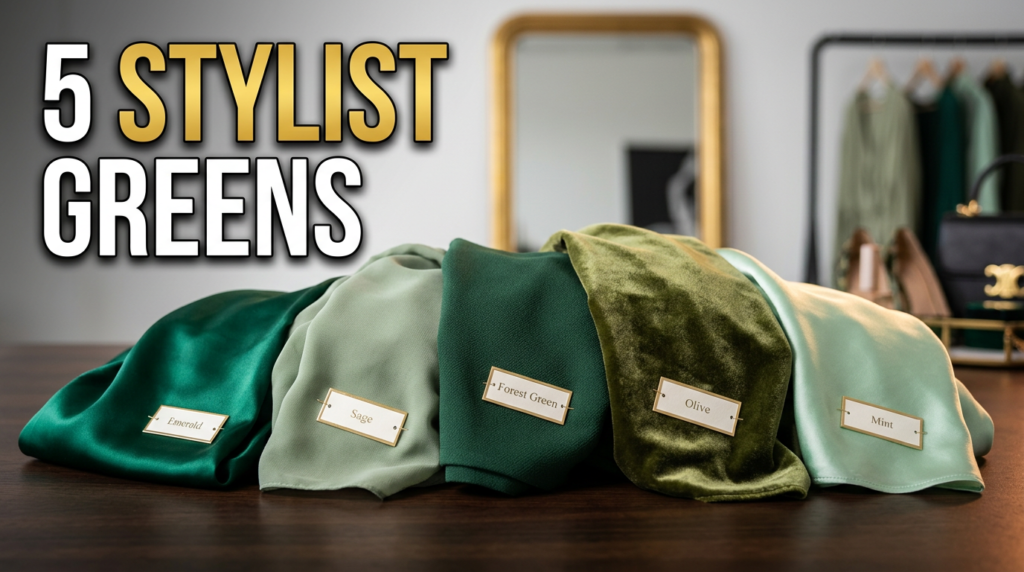
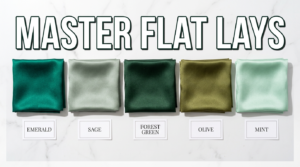
The 5 Shades of Green — and Which Wedding Each One Suits
Thinking of green as a single color is the biggest mistake most guests make. The spectrum runs from pale and romantic to deep and dramatic, and each shade belongs to a different type of event.
Emerald Green: The Formal Choice
Emerald is the undisputed choice for evening, formal, and black-tie weddings. This deep jewel tone feels luxurious and intentional in a way that casual shades simply cannot match. It works best in fabrics with natural sheen — satin, silk charmeuse, or velvet for winter events. Gold accessories bring out the warmth in emerald beautifully. A floor-length emerald gown in bias-cut satin, for example, delivers pure glamour without a single statement accessory.
Sage Green: The Modern Favourite
Sage green has become one of the most popular wedding guest choices in recent years, and for good reason. It feels calming, expensive, and photographs exceptionally well at outdoor, rustic, and daytime events. Lightweight chiffon or linen-blend fabrics in sage suit spring and summer weddings particularly well. However, sage is also one of the most common bridesmaid palette choices right now. Before committing, check the wedding website or invitation for color scheme details — arriving in a near-identical shade to the bridal party creates an awkward situation that is entirely avoidable.
Forest Green and Deep Teal: The Understated Power Shades
Forest green and deep teal suit autumn and winter weddings in the same way that emerald does, but with a quieter, more grounded register. A floor-length dress in matte forest green crepe or a structured dark teal jacquard makes a strong statement through color depth alone, without relying on fabric sheen or accessories to carry the look. These shades work especially well for semi-formal and cocktail-length events where emerald might feel like too much.
Olive Green: The Contemporary Pick
Olive green reads as sophisticated and slightly unexpected — a strong choice for bohemian, rustic, or outdoor autumn weddings. An olive midi dress in a sleek crepe or a tailored olive jumpsuit can look genuinely modern and considered. Like sage, however, olive sometimes appears in bridesmaid palettes for earthy-toned weddings. A quick check before you buy is always worth the effort.
Mint Green: Handle With Care
Mint is the one shade that requires caution. Very pale mint can read as almost white in certain lighting conditions, particularly flash photography. If you love the lightness of mint, choose a version with enough saturation to read clearly as green in photos.
Fabric and Silhouette: The Two Details That Determine Formality
Once you have identified the right shade, the fabric determines whether the dress reads as formal, semi-formal, or casual — regardless of the color.
Fabrics for Formal and Black-Tie Weddings
For evening and black-tie events, focus on fabrics that carry a sense of weight and luxury. Satin reflects light beautifully. Silk and chiffon create graceful movement in a floor-length silhouette. Velvet adds deep textural richness that suits colder months particularly well. These materials signal that you dressed intentionally for the occasion.
Fabrics for Daytime and Semi-Formal Weddings
Daytime and cocktail-attire weddings allow considerably more flexibility. A flowy chiffon midi feels romantic and comfortable without being overly formal. High-quality crepe gives a clean, modern drape that works across multiple dress codes. For a casual garden or beach wedding, a polished cotton-linen blend can be entirely appropriate — provided the silhouette feels considered rather than thrown together.
Silhouette Rules That Always Work
A floor-length or elegant midi dress suits formal occasions reliably. For cocktail attire, a well-cut midi or a tailored jumpsuit both read as polished and intentional. The underlying principle is consistent: even a relaxed dress code calls for a look that feels deliberate, not casual. Regardless of the venue, the fit should allow comfortable movement — sitting, walking, and greeting people for several hours without the outfit becoming an obstacle.
How to Style a Green Wedding Guest Dress Without Overdoing It
The golden rule for accessorising a green dress is straightforward: let the color do the work. Accessories exist to complement the look, not compete with it.
Jewelry: Metallics Over Matching
Gold jewelry enhances the warmth in emerald and olive greens. Silver and platinum look sharp against cooler tones like mint and deep teal. Pearls offer a softer, more classic option that works across every shade of green. The one approach to avoid is matching jewelry to the exact shade of the dress — it reads as over-coordinated rather than considered.
Shoes and Bags: Stay Neutral
Nude, black, gold, or silver heels all work cleanly with a green dress without creating visual noise. A head-to-toe monochromatic green look — dress, bag, and shoes all in the same shade — can overwhelm the eye. Breaking the color with a neutral accessory creates better visual balance. Also, for outdoor weddings on grass or sand, a block heel, wedge, or elegant flat is a significantly smarter practical choice than a stiletto.
As Harper’s Bazaar’s wedding guest styling guide outlines, neutral accessories consistently outperform color-matched ones for guests because they create a more polished, fashion-forward silhouette overall.
What to Avoid When Wearing Green to a Wedding
Getting green right is straightforward once you know the few things that can go wrong.
Neon and lime green shades read as too casual and can look jarring in wedding photography. Bright electric tones lack the sophistication that a wedding setting calls for. Stick to shades with depth or softness rather than brightness.
Overly revealing or club-style silhouettes undermine an otherwise appropriate color choice. The dress code applies to the cut of the garment just as much as the color — particularly at religious ceremonies, where modesty requirements may apply regardless of the venue’s general atmosphere.
Finally, thin jersey knit and other visibly cheap fabrics undermine even the most carefully chosen shade of green. The material should always match the formality of the event. A beautiful color in a poor fabric reads as a missed opportunity, not a style choice.
Your Green Dress, Styled Right
Green is one of those rare choices that does multiple things at once. It makes a clear visual statement while remaining genuinely respectful of the occasion. It photographs well across seasons and venues. And it signals that the wearer put real thought into what she wore — not just what was safe.
The smartest wedding guests understand that dressing well for someone else’s celebration is not about staying invisible. It is about showing up looking like you understood exactly what the event called for. A well-chosen green wedding guest dress does precisely that. Start with the shade, confirm the fabric matches the formality, keep the accessories clean and neutral, and the rest takes care of itself.
FAQ — Green Wedding Guest Dress
Q1: Is a green wedding guest dress appropriate for any type of wedding?
A: Yes, green works across nearly every wedding type — the key is matching the shade and fabric to the formality. Emerald satin suits black-tie events, sage chiffon works for garden ceremonies, and forest green crepe fits autumn semi-formal weddings beautifully.
Q2: Can I wear a green wedding guest dress if the bridesmaids are also in green?
A: It depends on the specific shade. If bridesmaids are in sage, opt for emerald or deep teal instead. The goal is to look like a guest, not an unofficial member of the bridal party. Checking the wedding website for color palette details before you buy is the smartest move.
Q3: What color shoes go best with a green dress at a wedding?
A: Nude, gold, silver, and black all work well without competing with the dress. Gold pairs particularly well with emerald and olive tones. Avoid shoes in the exact same shade of green as your dress — the monochromatic effect rarely lands well in this context.
Q4: Is sage green too casual for a formal wedding?
A: Sage green can work for a formal wedding in the right fabric. A floor-length sage silk or chiffon gown reads as formal and elegant. However, sage in a casual cut or lightweight jersey would be better suited to a daytime or garden event.
Q5: What jewelry works best with an emerald green dress?
A: Gold jewelry is the strongest pairing for emerald, as it brings out the warmth in the jewel tone. Pearl earrings or a simple gold chain necklace both work well. Avoid overly statement pieces — emerald already makes a strong visual impression on its own.
Q6: Is olive green appropriate for a summer wedding?
A: Olive reads better in autumn than summer. Its earthy, muted tone feels most natural at rustic, outdoor, or bohemian autumn weddings. For summer events, sage, mint, or a lighter green shade will feel more seasonally appropriate.
Q7: Can I wear a green midi dress to a black-tie wedding?
A: A midi dress can work for black-tie only if the fabric and construction are genuinely formal — think structured crepe or heavy satin with a tailored fit. For most black-tie events, a floor-length gown in emerald or deep teal is the safer and more appropriate choice.
Q8: How do I know if my green dress is too pale and might read as white in photos?
A: Hold the dress under bright natural light or flash it with your phone camera before the event. Very pale mint can wash out significantly under flash photography. If it looks almost white in those conditions, opt for a shade with more saturation — a deeper sage or soft jade will read clearly as green in every lighting scenario.