
2018 Clothing Trends: The Secret Story Behind the Year’s Weirdest Looks
Remember 2018? The year of tiny sunglasses that barely blocked the sun and the fanny pack’s completely unexpected comeback.
It might’ve seemed like fashion just got weird. But what if it was all a secret reaction to the world around us? What if those dad sneakers, see-through bags, and ridiculously oversized jackets were actually telling a story — about what we wanted, what we feared, and what we were trying to remember?
That’s exactly what 2018 clothing trends were doing.
From a longing for the simpler 90s to a quiet rebellion against the perfectly curated Instagram aesthetic, 2018 had a surprising story to tell about what we were all really feeling. It was the year fashion got louder, softer, bigger, and shinier — all at the same time. One minute it was pushing oversized power suits. The next, it was bringing back fringe, feathers, and transparent fabrics.
It felt like the entire industry decided that rules were optional. And that’s what made 2018 such a fascinating — and telling — fashion year.
It wasn’t just about what people wore. It was about the mood behind the clothes. Designers and trendsetters leaned into identity, comfort, rebellion, and nostalgia all at once. So to truly understand 2018, you have to look at more than just hemlines and colors. You have to look at what people wanted fashion to do for them.
Once you see that pattern, the whole year starts to make sense.
Nostalgia: The Force Behind 2018 Clothing Trends
The easiest way to understand 2018 is to see it as a massive wave of nostalgia.
Google search data from that year showed a huge surge in interest for retro styles. Terms like “1980s fashion,” “grunge fashion,” “1990s fashion,” and “2000s fashion” were incredibly popular. In a world that felt increasingly chaotic, people were collectively looking backward for comfort. And nothing says comfort like the trends from your youth, re-packaged for a new era.
This is where the “weird” trends come in.
Take the fanny pack — or as it was rebranded, the “belt bag.” An accessory once considered a fashion crime, reserved for tourists, suddenly became a high-fashion staple. Why? Because it was practical. It was hands-free. In an increasingly complex world, the fanny pack offered a return to simple, functional comfort. It let you carry your essentials without being weighed down — a small act of freedom.
Major brands reinvented them in luxury leather. But the core appeal was always the throwback, carefree vibe.
Then there were the tiny sunglasses. Championed by celebrities, these micro-shades were a nod to late-90s aesthetics — a clear reference to movies like The Matrix. And let’s be honest, they were terrible at blocking the sun. Their function wasn’t protection. It was a pure aesthetic statement.
Some saw wearing them as a rebellion against the practicality-obsessed wellness culture. They were just for looks, and that felt like a fresh stance.
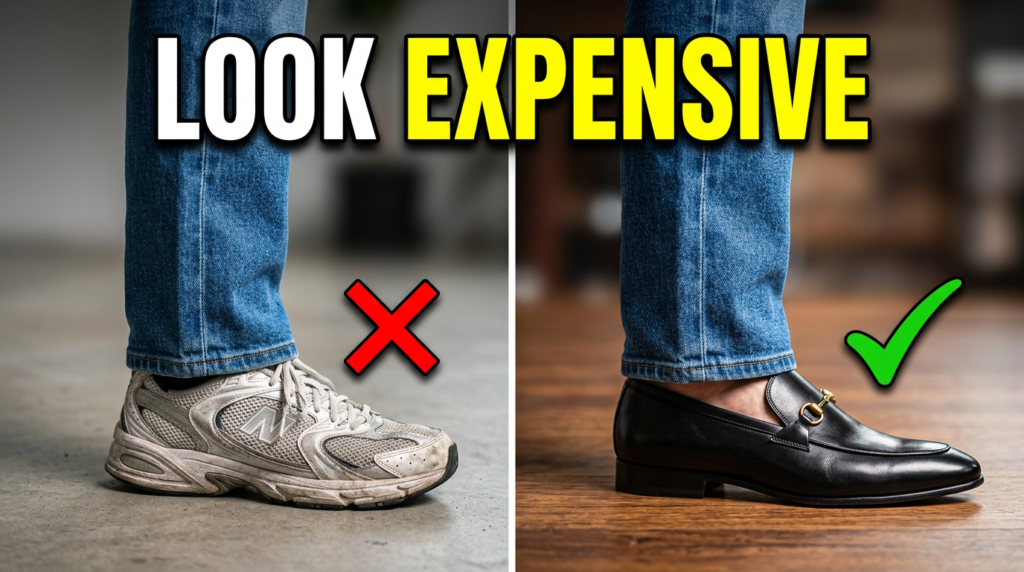
Paired with dad sneakers — chunky, oversized, and ironically un-athletic — the 90s revival was in full swing. It offered a sense of familiar cool that a lot of people were clearly craving.
A Quiet Rebellion Running Through the Year
It wasn’t just about looking back. It was also about pushing back.
As the world felt more polarized, fashion became a way to play with identity and challenge expectations. One of the most visible signs of this was the explosion of transparent materials.
From clear plastic coats at Chanel to gauzy, sheer dresses, fashion was playing with ideas of layering and vulnerability. It put the power in the hands of the wearer. You could choose how much to reveal or conceal — making it a surprisingly versatile and personal trend.
At the same time, embellishments got louder. Fringe, sequins, and feathers appeared everywhere. It was a move toward clothes that came alive with movement, shimmer, and light. This was a total contrast to the clean, muted minimalism that had been popular just a few seasons before.
As Vogue noted in its 2018 trend coverage, this maximalist energy had been building for a few seasons. But in 2018, it hit a fever pitch. It was fashion designed for real life — not just a static photo.
This rebellious spirit also touched menswear. Shorter shorts challenged more conservative male dress codes. The conversation around gender-fluid fashion continued to gain momentum too. Skirts for men on the runway weren’t new in 2018. But they were part of a sustained push by designers that challenged the very definition of menswear. The question shifted from “what are men allowed to wear?” to “what can menswear even be?”
The Search for Comfort and Power
Beyond nostalgia and rebellion, a third force shaped 2018 — a dual search for comfort and power.
Nothing represents this better than two of the year’s most prominent trends: oversized silhouettes and the return of tailoring. They seemed like opposites. But they were both driven by the same need.
Oversized everything became a dominant look. Huge jackets, billowing trousers, and massive silhouettes weren’t about sloppy dressing. They were a conscious choice to take up space. Oversized fashion can signal confidence, ease, or a desire to create a protective barrier against the world.
After years of body-conscious fits, these larger silhouettes offered physical freedom. They were clothes you could live in, move in, and disappear into. This desire for protective layers also showed up in the rise of utility wear — boiler suits and jumpsuits that were both practical and stylish.
On the complete opposite end of the spectrum was the resurgence of tailoring.
Suits came back in a massive way. But not the stiff, corporate uniforms of the past. This was business casual 2.0 — double-breasted blazers, strong shoulders, and suits in bold, bright colors. The power suit was reclaimed not just for the boardroom but for everyday life. It was often styled with a simple t-shirt or a pair of sneakers.
A well-cut blazer stopped being just workwear. It became a shortcut to feeling intentional and put-together in a world that often felt chaotic.
The Legacy These Trends Left Behind
So what’s the most surprising thing about 2018 clothing trends? It’s how much they reflected where fashion was already heading.
The obsession with comfort — seen in oversized fits and practical workwear — fit perfectly into the already-massive athleisure movement. It also prefigured the total merging of home and work attire that would fully accelerate in the years that followed.
Sustainability was also becoming a louder part of the conversation. In 2018, mentions of vegan leather and recycled materials were growing rapidly. Since then, it has become one of the most central issues in the entire fashion industry.
The playful trends left a mark too. The fringe, shimmer, and bold textures were a reminder that in uncertain times, people often reach for clothes that feel joyful and expressive.
As Harper’s Bazaar has explored in its cultural fashion retrospectives, 2018 was a year of intense change — and fashion reflected that by becoming more experimental and more visibly human.
Ultimately, these trends show us what people were negotiating: formality vs. comfort, tradition vs. identity, public vs. private, and minimalism vs. personality. Fashion was the language they used to have that conversation.
What 2018 Still Teaches Us About Style
There are a few things worth taking away from this surprisingly layered year.
First, notice which trends had staying power. Dark tailored denim, relaxed suits, and clean oversized layers all survived. They lasted because they were adaptable. Trends that can be styled multiple ways tend to outlive hyper-specific fads.
Second, don’t mistake loud for shallow. The flashiest pieces of 2018 — the sequined jackets and transparent boots — mattered because they were part of a larger shift toward self-expression. That fringe jacket wasn’t just decoration. It was a signal. A small act of rebellion against the mundane.
Third, pay attention to the way fashion remixes itself. 2018 pulled from 80s power dressing, 90s grunge, workwear, and old-school glamour. Trends rarely appear out of thin air. They are collages of older ideas, re-contextualized for the present moment.
2018 wasn’t just a weird year for fashion. It was a deeply revealing one.
It gave us tiny sunglasses, powerful suits, see-through everything, and the triumphant return of the fanny pack. And somehow, it all belonged to the same cultural moment. It was a year where fashion stopped asking for permission and instead became a vibrant — and sometimes strange — reflection of collective anxieties, desires, and hopes.
That’s what makes fashion so powerful. It’s not just about clothes. It’s a record of what people are trying to become.
FAQ Section
Q: What were the biggest 2018 clothing trends? A: The biggest 2018 clothing trends included oversized silhouettes, power suits, transparent materials, fanny packs, dad sneakers, tiny sunglasses, fringe, sequins, and gender-fluid fashion. Each trend reflected a deeper cultural mood of nostalgia, rebellion, and the search for comfort.
Q: Why did the fanny pack come back in 2018? A: The fanny pack made a comeback because it offered practical, hands-free convenience wrapped in nostalgic appeal. Major brands reinvented it in luxury leather, making it both functional and fashionable.
Q: What influenced 2018 fashion trends? A: 2018 fashion was heavily influenced by 90s and 80s nostalgia, a growing rebellion against minimalism, the rise of maximalism, gender-fluid conversations in menswear, and a cultural need for both comfort and self-expression.
Q: Were power suits a trend in 2018? A: Yes. Power suits had a major resurgence in 2018 — but in a modern, relaxed way. Double-breasted blazers, bold colors, and strong shoulders were styled with t-shirts and sneakers for an everyday, confident look.
Q: What is the style aesthetic of 2018? A: The 2018 aesthetic was a mix of contradictions — oversized and tailored, maximalist and utilitarian, nostalgic and rebellious. It pulled from 80s power dressing, 90s grunge, and utility workwear all at once.
Q: Are any 2018 clothing trends still relevant today? A: Yes. Oversized blazers, tailored suits, dark denim, and utility-inspired pieces from 2018 all have lasting style relevance. Trends that are versatile and easy to restyle tend to stick around far longer than trend-specific fads.
Q: What shoes were trending in 2018? A: Dad sneakers — chunky, oversized athletic shoes worn ironically — were one of the defining shoe trends of 2018. They were part of the broader 90s revival and became a staple of the street style aesthetic that year.