7 Barn Jacket Mistakes That Make You Look Sloppy, Not Stylish
You love your Barn jacket. It’s the one you can’t wait to pull out every fall. But what if that same jacket is the reason your outfit looks sloppy instead of sharp?
It sounds a little crazy, since this jacket was born from function and durability. It’s a rugged icon. But that practicality can turn into a trap. A lot of guys own a barn jacket, yet most make a few common mistakes that quietly tank the entire look. They take a timeless piece and, without meaning to, make it look clumsy, dated, or just a little off.
Here’s a full walk through of the seven biggest barn jacket mistakes, along with exactly how to fix each one. By the end, this classic jacket should look completely different to you.
Mistake #1: Your Fit Is Completely Wrong
First up, and this is the big one: getting the fit wrong. For a while, the trend was a slim, almost tailored barn jacket. But today, wearing one that’s too tight is a fast track to looking dated. It kills your range of motion and completely misses that modern, relaxed vibe.
The bigger mistake these days, however, sits on the opposite end: wearing a jacket that’s randomly oversized rather than intentionally relaxed. As a result, when the shoulder seams sit halfway down your biceps and the body looks like a parachute, you end up looking like a kid in his dad’s hand-me-downs. Instead of creating a modern silhouette, the extra fabric adds square, unflattering bulk to your frame.
The Fix: You’re not going for “tight,” and you’re not going for “huge.” You’re looking for a relaxed, slightly boxy fit. The shoulder seams should hit right at, or just barely past, your natural shoulder. Most importantly, you need enough room to layer a thick sweater or a hoodie underneath without everything feeling tight and restrictive. That intentional, relaxed fit is the key to making a barn jacket look modern, comfortable, and cool.
Mistake #2: Ignoring Your Proportions
That leads right into the next mistake: ignoring your proportions completely. A barn jacket is naturally a bit bulky and structured. The mistake is pairing that bulk with other bulky items. When you do that, you get an unbalanced silhouette that can make you look shorter and wider than you actually are.
For example, picture a big, boxy jacket paired with baggy, pooling jeans and heavy work boots. As a result, you lose all definition and end up looking like a shapeless column from your shoulders to your feet. In fact, the overall effect is the visual equivalent of wearing a cardboard box.
The Fix: It’s all about creating contrast and balance. Since the jacket adds volume up top, streamline your bottom half. Pair your relaxed-fit barn jacket with straight-leg or slim-fit dark-wash jeans or chinos. The pants should have a clean break, landing right at the top of your shoes without fabric pooling around your ankles.
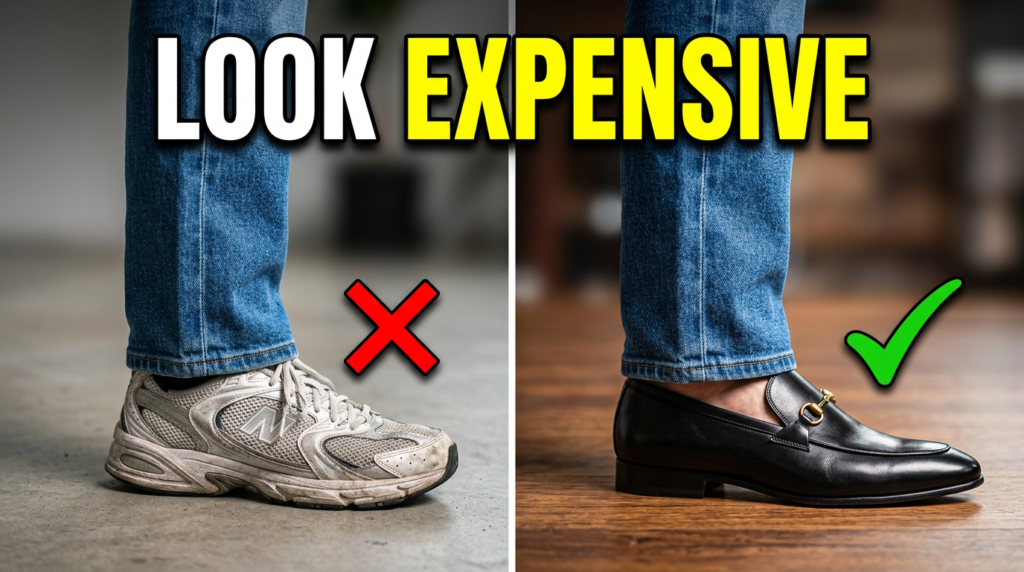
For a more advanced, high-low look, try pairing that rugged jacket with something more refined, like tailored trousers and a pair of sleek loafers. That contrast between rugged workwear and sharp tailoring is what gives the outfit a contemporary edge.
Mistake #3: Treating Your Barn Jacket Like a True Winter Parka
Just because it’s a jacket doesn’t mean it works for the dead of winter. It’s a big mistake to think your barn jacket can replace a proper winter parka once the temperature really drops. Unless you’ve bought a specific winter version with heavy-duty insulation, most barn jackets are transitional pieces.
They’re usually made from cotton canvas, twill, or waxed cotton, often with a simple flannel lining. That’s perfect for a crisp fall day or early spring, but it won’t hold up against biting wind and real cold on its own. Wear it without the right layers on a freezing day, and you won’t just be cold — you’ll look like you don’t know how to dress for the weather.
The Fix: Master the art of layering. A barn jacket works as the perfect outer shell for a layered outfit. On a cool day, throw it over a t-shirt or an oxford shirt. As it gets colder, add a serious mid-layer. A chunky knit sweater, a thick flannel, or even a hoodie will give you the warmth you need. The jacket’s boxier cut is designed to accommodate these layers. Think of it not as your main source of warmth, but as the weather-resistant shell that pulls your whole look together.
Mistake #4: Being Too Traditional and Boring
The barn jacket has deep roots in classic, rugged Americana. The mistake is getting stuck there. If the only way you style your barn jacket is with a plaid flannel shirt, boot-cut jeans, and work boots, your look can start to feel more like a costume than a style statement. It’s one-dimensional and looks less “modern man” and more “guy on his way to a themed party.”
This jacket is far more versatile than just a work wear uniform. Sticking only to its most traditional pairings means you’re missing out on most of what it can do. Once used mainly for fieldwork, the barn jacket has become one of the leading outerwear trends of recent seasons, showing up on runways at Prada and Miu Miu styled against tailored pieces and even evening wear — proof that this jacket earns its place far outside a farm. Refinery29
The Fix: Create intentional contrast. The modern way to wear a barn jacket is by mixing its rugged history with more refined or unexpected pieces. This is that “high-low” style you always hear about.
Instead of a flannel shirt, try it over a cashmere crew neck sweater. Swap the work boots for minimalist leather sneakers or a pair of loafers. Pair it with tailored chinos or even smart trousers for a look that bridges the gap between casual and polished. You can even throw it over an all-black outfit for a sleek, urban vibe. The magic happens when the jacket’s tough, utilitarian feel plays off the other, sleeker elements in your outfit. It feels modern, intentional, and far more interesting.
Mistake #5: Buying the Wrong Barn Jacket for Your Life
Once your styling instincts are solid, the next mistake comes down to something more practical: buying the wrong jacket for your actual day-to-day life. Not all barn jackets are created equal. The jacket you need for a rainy commute in the city is very different from one you’d wear for real outdoor work.
There are two main camps: classic work wear and modern fashion interpretations. The work wear versions from brands like Carhartt or L.L. Bean are built from heavy-duty materials like thick duck canvas or waxed cotton. They’re tough as nails, but can also be stiff and bulky. On the other hand, fashion versions from brands like J.Crew or designer labels use lighter fabrics, offer a more stylized fit, and come in more colours. The mistake is buying a heavy-duty work wear jacket for a polished, urban lifestyle when a lighter, more refined version would fit better — or the other way around.
The Fix: Be honest about what you need. If you value durability above all else, live in a wet climate, and want a jacket that lasts for decades, a classic work wear brand like Barbour, Filson, or Carhartt is your best bet. But if you’re mainly looking for a stylish layering piece for city life and care more about a modern silhouette than pure ruggedness, look toward the fashion-forward options. These are often made from softer washed cotton or twill and designed with style as the main goal. Choosing the right type makes sure the jacket fits not just your body, but your life.
Mistake #6: Ignoring the Details and Quality
With the barn jacket trending, the market is flooded with cheap knock-offs. The mistake is buying a jacket that just copies the idea of a barn jacket without any of the quality details that made it a classic. These cheap versions often use flimsy cotton, have weak-feeling snaps, and are missing key functional elements. A bad barn jacket just looks cheap, and it ruins the entire aesthetic.
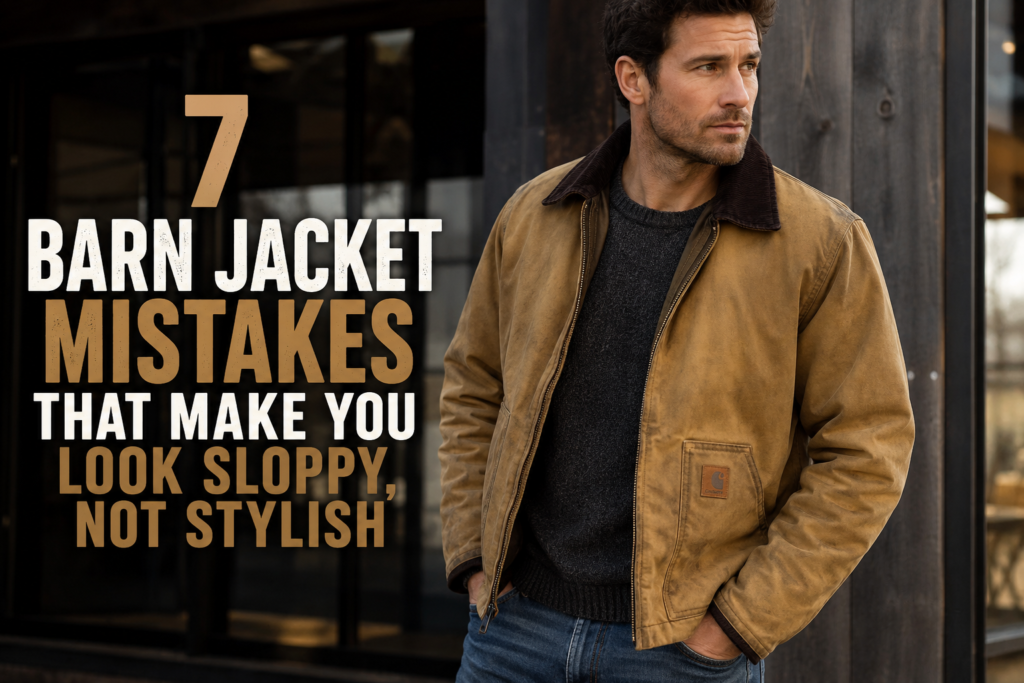
The Fix: Know what to look for. A quality barn jacket is defined by its details. First, the fabric should feel substantial — think heavy cotton canvas, sturdy twill, or waxed cotton for weather resistance. Second, check the collar. Look for a rich, textured corduroy collar—or, in some cases, a leather one. You can flip this iconic contrast collar up to help block the wind while adding classic barn jacket style. Moreover, manufacturers create corduroy by cutting the pile yarn after weaving, which forms the raised, parallel ribs across the fabric. As a result, the collar gets its distinctive texture, stays durable, and stands up well against windy conditions. Third, look at the pockets. A real barn jacket has at least four large, functional front pockets, often with flaps to keep your stuff secure. Finally, check the hardware. The buttons or snaps should feel heavy and solid. A jacket with these quality markers won’t just look better — it will get better with age. Encyclopedia Britannica
Mistake #7: Being Afraid of a Little Wear and Tear
Finally, the last mistake is treating your barn jacket like a precious designer piece. As a result, some guys buy a beautiful, rugged jacket but keep it in perfect condition because they fear every scuff or fade mark. However, that approach goes against the very character that makes a barn jacket so appealing.
This completely misunderstands the soul of the jacket. A barn jacket isn’t supposed to look brand new forever. Its character comes from being worn and lived in. At its heart, it’s a piece of work wear, and its story gets told through the fades, creases, and occasional scuffs. A box-fresh, stiff barn jacket can look inauthentic, like you grabbed it off the rack five minutes ago.
The Fix: Embrace the patina. Let your jacket live its life with you. Don’t be afraid to wear it in the rain, on a weekend trip, or just running errands. The waxed cotton will develop unique creases. The canvas will soften and fade over time. This is what gives the jacket its character and makes it truly yours. Some of the most stylish barn jackets out there are vintage ones that have been loved and worn for years. So stop babying your jacket. Wear it, beat it up a little, and let it tell a story. That’s how you nail that effortlessly cool look.
The Bottom Line
So that’s the rundown — seven mistakes that can take a timeless jacket and make it look sloppy. It really comes down to respecting the jacket’s work wear roots while skill fully adapting it for a modern wardrobe.
Get the fit right, balance your proportions, layer intelligently, and don’t be afraid to mix it with more refined pieces. Choose the right type for your lifestyle, invest in quality, and most importantly, let it build character. Avoid these seven mistakes, and your barn jacket goes from just another coat to one of the most versatile and stylish players in your closet.
FAQ Section
What does a barn jacket look like?
A barn jacket has a boxy, slightly relaxed shape with a contrast corduroy or leather collar, large front patch pockets, and a snap or button front. Manufacturers usually make it from cotton canvas, twill, or waxed cotton.
Can you wear a barn jacket in winter?
Choose a specific insulated winter version only if you plan to wear it in freezing temperatures. Otherwise, treat most barn jackets as transitional pieces that work best from early fall through early spring. For colder days, simply layer yours over a sweater or hoodie to stay warm while maintaining a comfortable, stylish look.
What’s the difference between a barn jacket and a chore jacket?
The two are close cousins. A chore jacket tends to sit shorter and slimmer, while a barn jacket is usually longer, boxier, and has that signature corduroy collar. Both come from workwear roots.
How should a barn jacket fit?
Look for a relaxed, slightly boxy fit with shoulder seams that hit right at your natural shoulder. It should have enough room to layer a sweater or hoodie underneath without feeling tight.
How do you dress up a barn jacket?
Pair it with tailored trousers, a cashmere sweater, and loafers or minimalist sneakers instead of the usual flannel-and-work-boots combo. That contrast between rugged and refined is what makes the look feel current.